




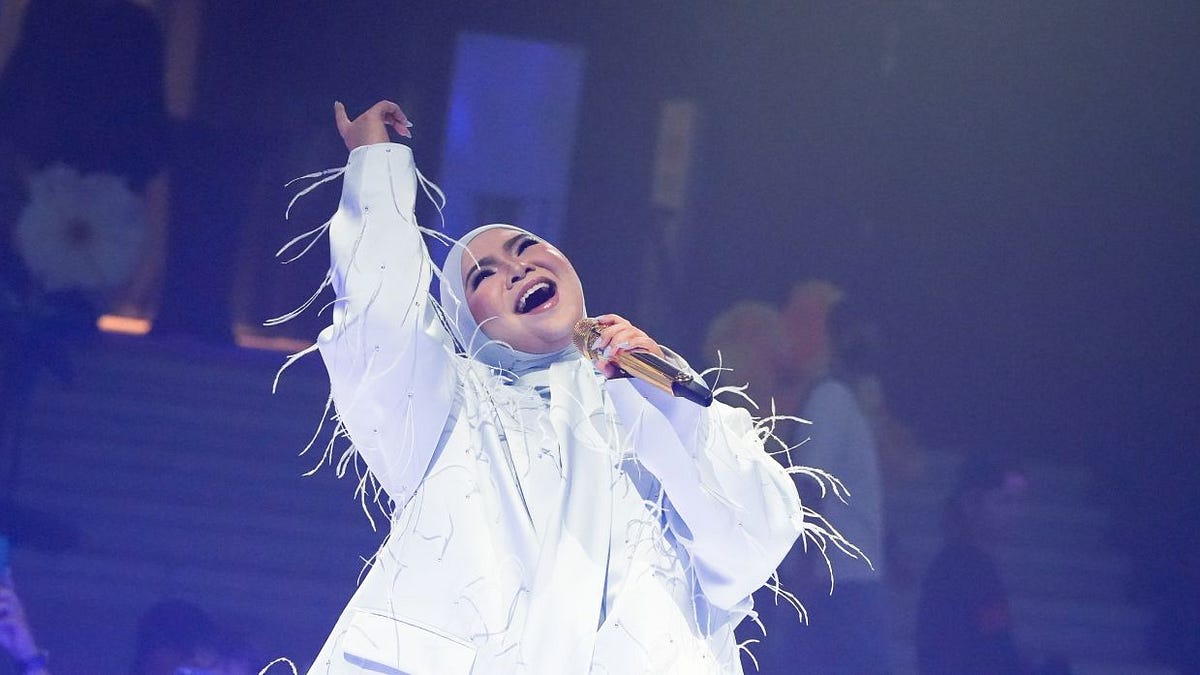
Southeast Asian pop music is taking center stage as the inaugural Eurovision Song Contest Asia is set to debut in Bangkok on November 14. This event marks the first time the renowned musical competition will be held in Asia, showcasing a total of 11 countries, including six from the Southeast Asia region: Cambodia, Laos, Malaysia, the Philippines, Thailand, and Vietnam.
The contest represents a significant moment for the region’s artists, who are celebrating their cultural identity through music. Notably, artists like the veteran Indonesian band Maliq & D’Essentials are leading this wave of representation. In November, they released their tenth studio album, Kabar Gembira, continuing their legacy as they approach 25 years in the industry.
Each competing country has its unique entries, reflecting local traditions and modern influences. For instance, Tóc Tiên, a popular Vietnamese artist, will open the broadcast with her song “Em Tiên” (“Fairy”), a track that blends traditional Vietnamese elements with contemporary electronic dance music. This song represents Vietnam, having been selected by the national broadcaster Vietnam Television. Tóc Tiên’s viral dance challenge launched prior to the contest garnered significant interest, amplifying anticipation for her performance.
The Philippines will be represented by Carmelle Collado, who made history as the first Philippine contestant at Eurovision Asia. Her upbeat anthem “Sobra-Sobra” (“Too Much”), which addresses themes of female empowerment, has quickly climbed the charts, even before its official release on October 12.
Malaysia’s entry, Aina Abdul, was chosen during the Anugerah Juara Lagu and will present her song “Bluest Sky” in the contest. Released on October 9, the orchestral ballad has attracted substantial online attention, highlighting Aina’s emotional depth as a performer.
Currently, the regional music scene is flourishing, with a mix of genres including pop, jazz, and electronic sounds drawing from local roots. As countries like Indonesia and Singapore look to participate in future editions, the expanding representation can introduce more diverse musical styles, such as Jakarta’s dangdut or Singapore’s pop.
As the Eurovision Asia contest approaches, it serves as a platform not just for showcasing talent but also for celebrating the rich cultural narratives of Southeast Asia’s music industry. Artists are eager to share their stories and sounds with a wider audience, promising an exciting future for regional pop.
