




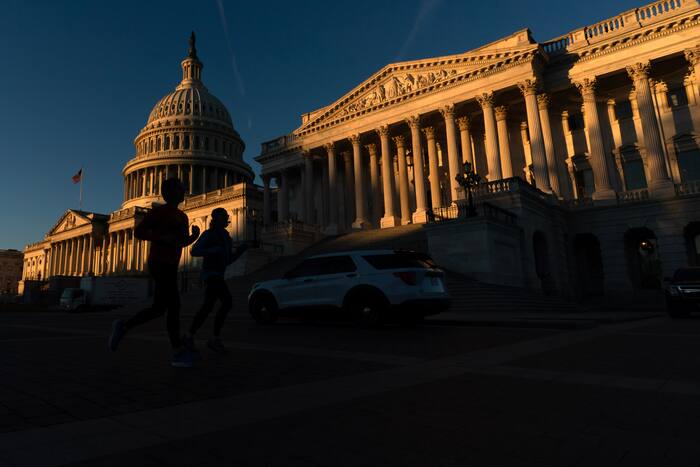
WASHINGTON – House Democrats have achieved a notable victory in recent elections, securing at least 258 seats, the party’s largest majority since 1992. This gain of 44 seats, surpassing the 40 picked up in President Donald Trump’s first midterm in 2018, reflects a significant electoral trend affecting various regions, including traditionally Republican territories.
The Democrats reached this milestone following Chuck Hubbard’s victory over Republican Representative Virginia Foxx in North Carolina. Four House races remain undecided, with two in Louisiana heading to a runoff in December, and one each in Minnesota and Tennessee still pending.
With a confirmed total of at least 173 seats for Republicans, the current political landscape sets the stage for divided government, as Democrats will also control the Senate. This situation positions the Democratic Party to advance proposed policies while facing expectations to deliver on campaign promises, particularly regarding economic issues.
As part of their agenda, Democrats are preparing for a 100-day plan targeting high costs of living and intending to reverse previous Republican cuts to Medicaid while restoring expired Affordable Care Act tax credits. The party is also gearing up for extensive investigations into the Trump administration, using newly gained subpoena powers to scrutinize potential financial improprieties.
House Democratic leader Hakeem Jeffries, poised to become the first African American Speaker of the House if elected on January 3, 2027, remarked on the momentous nature of the victory, emphasizing the responsibility it brings. Progressive Representative Alexandria Ocasio-Cortez described the election results as a “mandate for change,” highlighting the urgency of addressing voter concerns about affordability and accountability.
Centrist Democratic Representative Tom Suozzi advocated for focusing 75% of legislative efforts on affordability issues and 25% on oversight and accountability measures concerning the Trump administration’s financial dealings.
Meanwhile, House Republicans are experiencing one of their lowest seat counts in decades, with Representative Jim Jordan of Ohio, the newly elected minority leader, promising to advocate for American families as they work towards regaining power. Historically, Republicans had higher tallies, such as the 301 seats won after the 1920 election.
As the new Congress prepares for its session, the upcoming months will test the Democratic leadership’s ability to navigate both opportunity and pressure to enact their agenda, which begins with resolving pressing issues for voters.
