




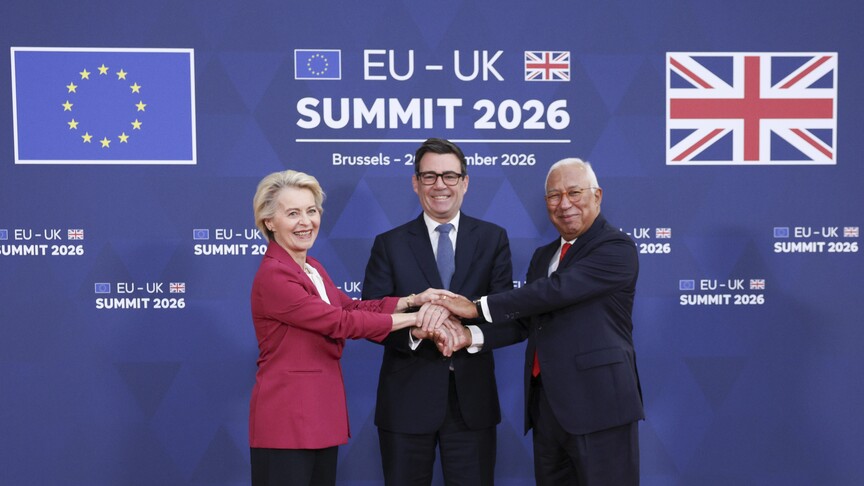
A new agreement between the United Kingdom and the European Union is poised to reshape their relationship, offering both substantive and symbolic benefits. This deal is the most significant arrangement signed between the two since the UK’s departure from the EU in 2020 and represents what officials describe as a positive shift in direction.
According to UK officials, elements of the agreement, such as changes to food exports, carbon trading, and a new “Youth Experience Scheme,” could enhance the nation’s economy, potentially adding up to 0.5% to the country’s GDP—approximately £17 billion annually by 2040. Previously, the Trade and Cooperation Agreement had resulted in extensive bureaucratic challenges for UK exporters, leading many to withdraw from European markets. The new terms are expected to ease some border restrictions, reviving trade that was previously lucrative.
The agreement also establishes a connection between the UK’s and the EU’s emissions trading systems, allowing for exemptions that could lower compliance costs and import expenses for both parties. Additionally, the “Youth Experience Scheme” aims to facilitate opportunities for 100,000 individuals aged 18 to 31 from both the UK and EU to work, study, or travel across each other’s territories for up to three years.
Despite the progress, some details still require further negotiation. A notable challenge is the EU’s request for young EU students to pay the same tuition fees as their UK counterparts, a change that could heavily impact the financial framework of UK universities unless addressed by the British government.
Critics, particularly from the Brexiteer camp, have dismissed the deal as insignificant or insincere. However, analysts suggest these views may stem from a fear that the agreement marks a significant step toward a future where the UK might reconsider its EU membership. Recent polls indicate a majority of British voters now view Brexit as a mistake, although some concerns remain over issues like adopting the Euro or joining the Schengen Area.
Labour leader Andy Burnham’s push for a closer relationship with the EU has electoral, economic, and geopolitical implications. Strengthening ties with the EU could attract left-leaning voters back to Labour and facilitate economic growth. Furthermore, it positions the UK more effectively against global powers such as China and Russia.
Nonetheless, the path to potential EU membership is complex. Should the Labour government pursue accession, they will need to convince both the British public of the benefits and the EU of the UK’s commitment to remaining a member. Navigating these discussions may prove to be one of the most challenging aspects of this evolving relationship.
