




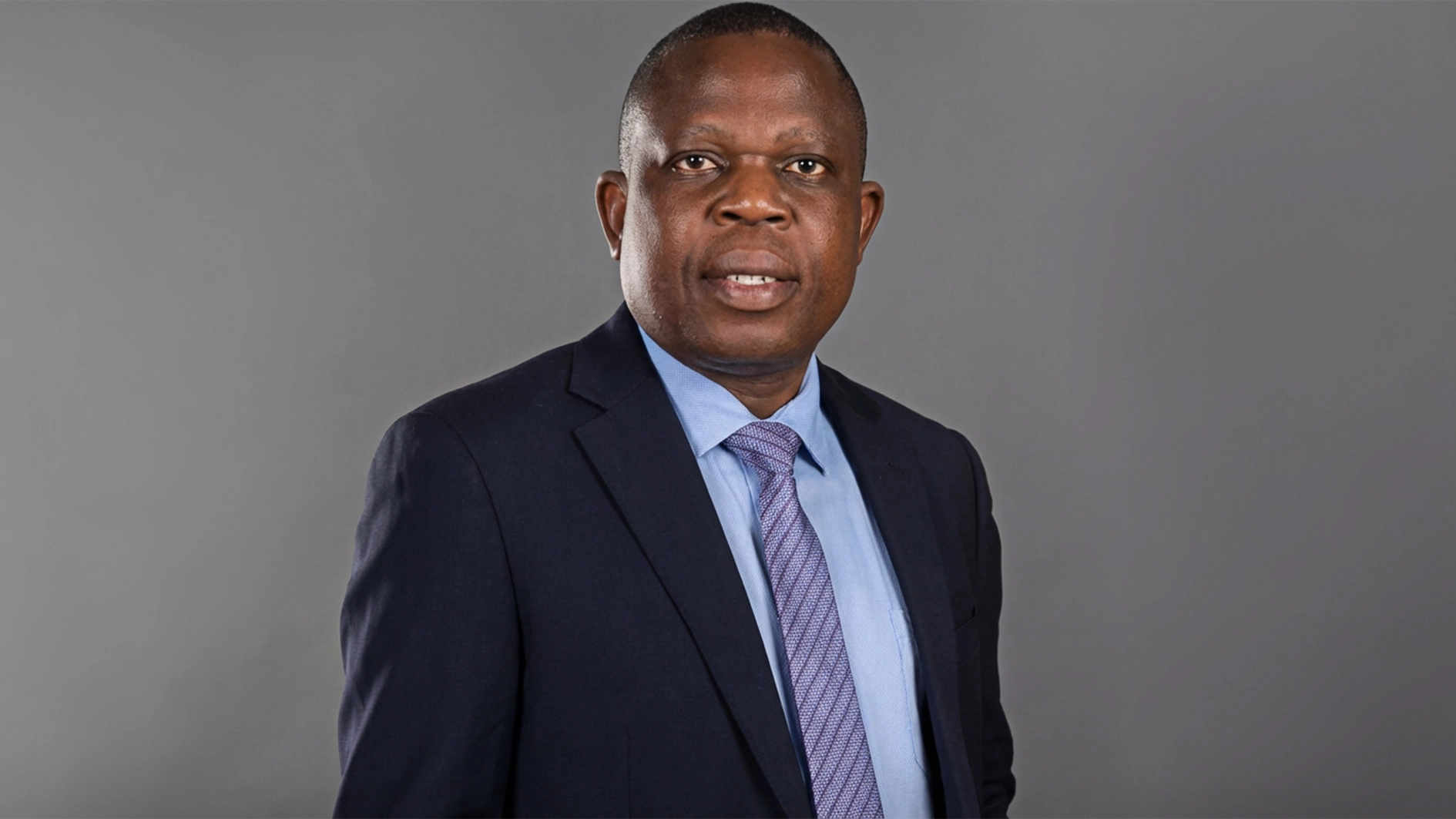
By Tim Akano
Africa possesses a staggering wealth of natural resources, including gold, lithium, cobalt, uranium, and copper, yet it remains reliant on imported finished products and faces significant educational funding shortfalls. The Africa Finance Corporation estimates the mineral wealth of the continent at $29.5 trillion, which represents about 20% of the world’s total, with $8.6 trillion still untapped—an amount approximately 2.5 times Africa’s annual GDP.
Despite holding nearly a third of the world’s critical mineral reserves, Africa only produces 12% of the output. This discrepancy raises questions about the economic benefits that African countries accrue after extraction and processing. Akano compares the continent to a giant ATM, vulnerable and unguarded, allowing outsiders to withdraw resources while the original inheritors—African citizens—are often excluded.
Illicit capital flight from Africa amounts to an estimated $88.6 billion annually, almost equal to what the continent receives in aid and foreign direct investment combined, according to UNCTAD. Between 2000 and 2015, Africa lost $836 billion in illicit financial flows, which paradoxically positions the continent as a net creditor to the global economy.
Akano argues that while foreign investment is essential, Africa needs to cultivate its own industrial champions in the mold of successful local companies, like Aliko Dangote’s industries. He emphasizes the need for African capitalists who can think and act on a global scale, calling for a shift from attracting foreign investors to building competitive African enterprises powered by domestic technology.
The Nigerian government has recently proposed significant borrowing plans, including a request to the National Assembly for $20.52 billion followed by a revised request for approximately $7.7 billion. Nigeria’s public debt rose from ₦87.38 trillion in June 2023 to ₦166.79 trillion in June 2026, necessitating that the government allocate about ₦15.5 trillion for debt servicing in its 2026 budget. Critics argue that building a thriving economy cannot rely solely on external borrowing.
To stimulate sustainable growth, Akano presents ten commandments aimed at reviving Africa’s economic landscape. Among his suggestions are establishing investment-security commissions, mobilizing domestic pension funds and diasporic investments, and creating regional market platforms for African commodities. He also highlights the need for improved educational initiatives that align with the continent’s resources, emphasizing the importance of technological progress.
Akano concludes that Africa must reframe its approach to economic growth to prioritize ownership and industrialization rather than dependence on foreign assistance. He calls for a shift from exporting raw materials to developing and exporting finished products, ensuring that wealth generated from Africa’s resources benefits its own citizens first.
As Africa navigates its economic future in a changing global landscape, Akano advocates for a collective effort to secure ownership and leverage its immense potential, urging that the continent’s keys to success remain in African hands.
