




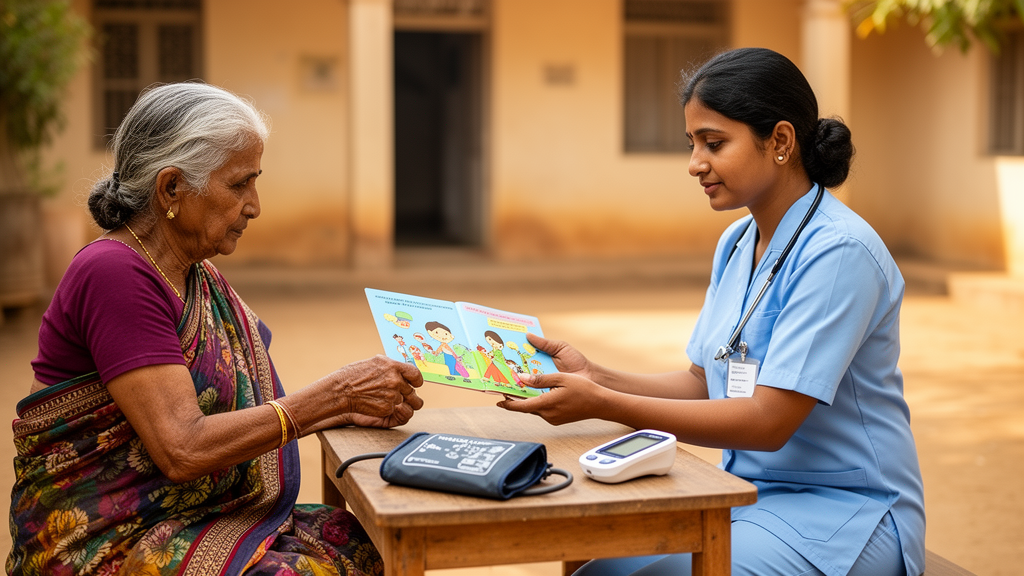
A recent scoping review published in BMC Public Health has revealed significant disparities in the availability and focus of behavioural interventions for managing diabetes and hypertension in South Asia. The review analyzed 88 randomized controlled trials and found that these interventions are predominantly concentrated in India and Pakistan, highlighting a gap in regional coverage.
The study identified that out of the 88 trials reviewed, India contributed 47 studies, accounting for 53.4% of the total, while Pakistan provided 19 studies, representing 21.6%. This indicates that approximately three-quarters of the available research focuses on only these two nations. Among the studies, 57 targeted diabetes, 27 focused on hypertension, and only four addressed both conditions concurrently.
Most interventions emphasized patient education and self-management. The review noted that 68.2% of the trials examined multiple behaviours instead of a single issue. Counseling or educational strategies were present in 78 studies, equating to 88.6%, while 83% utilized face-to-face delivery methods. Furthermore, 67% of the studies included ongoing support or follow-up for participants.
Researchers also categorized the behavioural mechanisms influencing these interventions. They found that 97.7% incorporated the concept of Capability—equipping patients with the skills to manage their conditions. Motivation was a factor in 63.6% of studies, and Opportunity was mentioned in 58%. This suggests a predominant focus on empowering patients rather than addressing systemic or environmental factors affecting health behaviour.
Implementation reporting varied across the trials. While 92% included some documentation on how interventions were executed, only 53.4% specified the reach of these interventions to the intended populations. Further, only 12.5% detailed organizational adoption, and a mere 2.3% addressed the sustainability of results over time.
The review also emphasized health-system integration issues. Although every study focused on individual or family-level actions, only 33% incorporated community-level initiatives, and just one study dealt with health-system or policy-level actions. This indicates that current behavioural support remains largely individualised, with limited integration into broader chronic care structures.
As the scoping review aimed to map existing evidence rather than evaluate the effectiveness of interventions, the authors recommended future research investigate the sustainability and scalability of these behavioural strategies within routine chronic care frameworks. This study underscores the need for a broader approach to improve health outcomes in South Asia regarding diabetes and hypertension management.
The publication of the review adds to the growing dialogue about non-communicable diseases in the region, encouraging stakeholders to invest in a more inclusive and systematic approach to public health interventions.
