




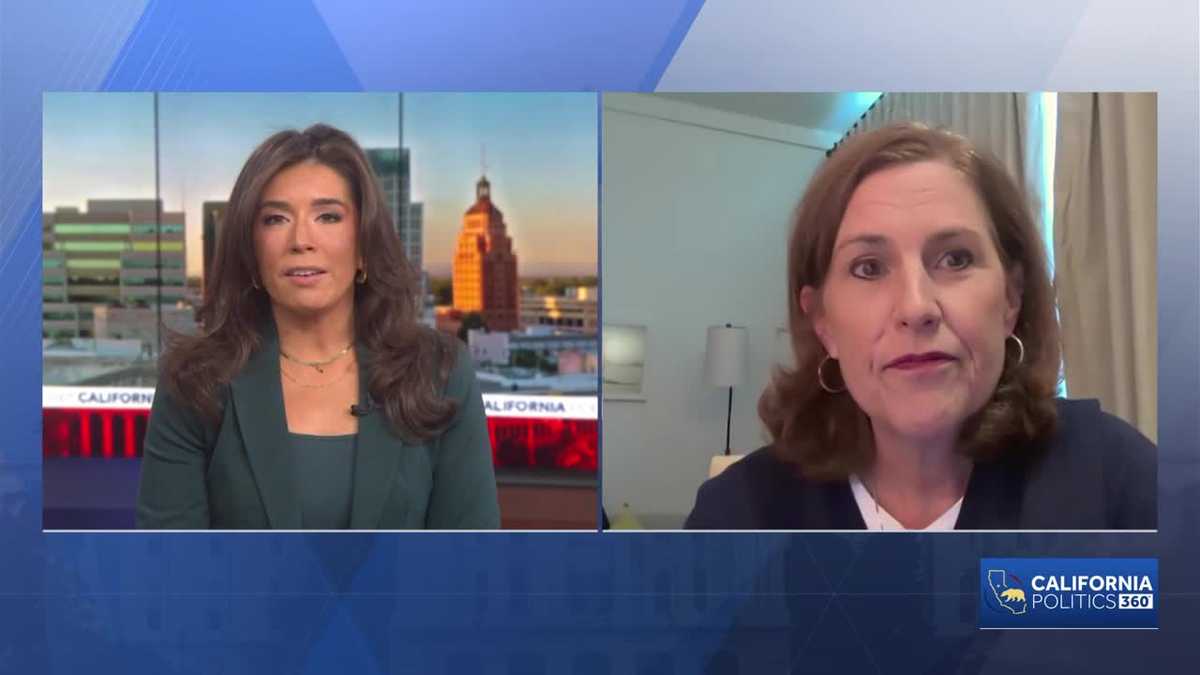
California’s gasoline prices continue to remain high, averaging around $6 per gallon, while diesel prices approach $8 per gallon. Jodie Muller, President and CEO of the Western States Petroleum Association, attributed the rising costs to a mix of global factors and long-standing state policies.
Muller expressed concern for consumers grappling with these prices, stating, “It’s heartbreaking… I know that people are hurting right now.” She indicated that decades of policy decisions have culminated in the current crisis, which has been exacerbated by international conflicts, including the war between Russia and Ukraine and instability in the Middle East.
“All of that has compounded to a global situation that is really impacting prices for all consumers in California,” Muller said. She emphasized that California’s gas prices were already the highest in the nation prior to the current global issues.
Muller also highlighted a significant supply crunch affecting diesel. “There’s a huge competition right now amongst countries for that,” she said, noting that California’s refining capacity has decreased as some refineries have closed. “We are in a competition with the rest of the world for this product,” she added.
The potential impact of importing Russian diesel into the U.S. is uncertain due to ongoing issues, such as drone strikes affecting Russian refineries. “We don’t really know how much supply that might actually bring to the situation,” Muller stated, referencing the scramble among nations for quick solutions to enhance diesel availability.
She stressed that there is no immediate fix to the crisis, pointing to decades of layered policies in California. “We have to take a very close look at every single policy,” she urged, advocating for a holistic approach to the state’s energy situation.
Muller acknowledged the possibility of accelerated clean energy initiatives but insisted that the state needs to balance innovative strategies with the current energy demands. California currently consumes approximately 37 million gallons of gasoline and 6 million gallons of diesel daily.
She attributed California’s high gas prices partly to regulatory challenges and elevated taxes, drawing comparisons with Hawaii’s pricing. “We have just made it more and more difficult to do business in California,” Muller explained.
Looking forward, Muller expressed optimism about state leadership, particularly regarding the gubernatorial candidates, Democrat Xavier Becerra and Republican Steve Hilton. She believes both understand the urgency of the oil and gas crisis and the need for comprehensive solutions.
Muller called for collaboration among stakeholders to tackle the issue, suggesting a strategic leader be appointed to create a comprehensive energy policy. “Let’s sit down, let’s talk, let’s find solutions,” she said, emphasizing the importance of coordinated efforts to alleviate consumer hardships.
As refinery utilization rates in California hit 95% this month, Muller reassured Californians that industry workers are dedicated to meeting rising fuel demands. “This industry has some of the hardest working individuals… We are doing our best to meet the demand,” she concluded.
