




Republican candidates for governor in multiple states are distancing themselves from past endorsements of strict abortion bans. This shift comes as they navigate a landscape where voters increasingly prioritize economic issues over reproductive rights.
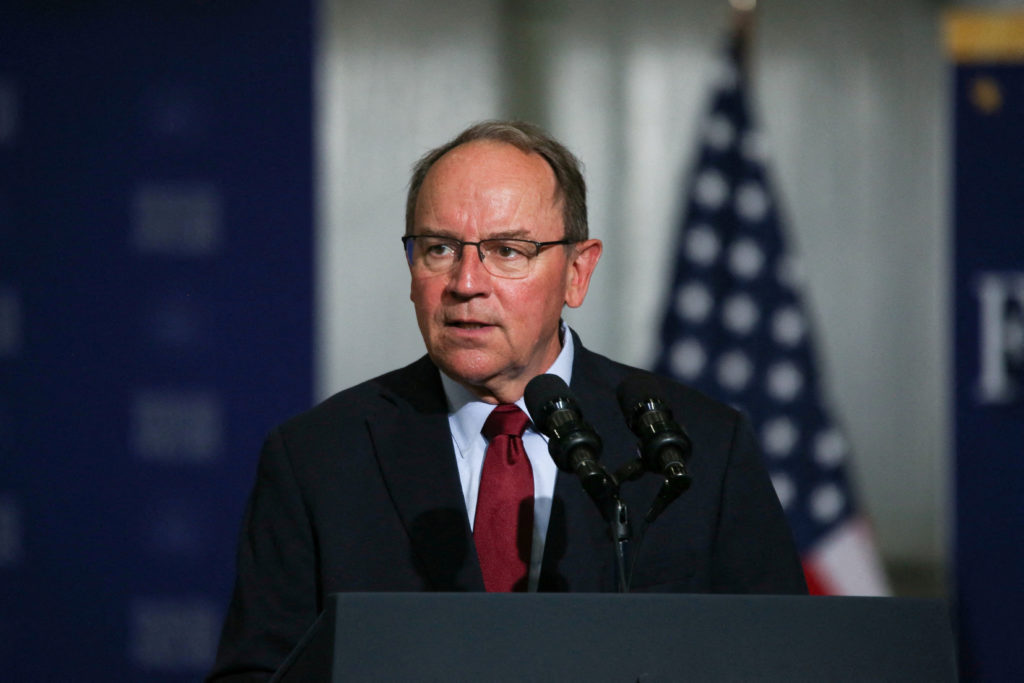
In Wisconsin, U.S. Rep. Tom Tiffany has referred to the state’s 20-week abortion limit as “settled law.” This marks a notable change from three years ago when he co-sponsored a bill that sought to impose a six-week abortion ban. Similarly, in Pennsylvania, Stacy Garrity, the GOP candidate, has stated that she would “respect” the existing law allowing abortions until 24 weeks, a shift from her earlier calls for more engagement on abortion legislation following the Supreme Court’s decision to overturn Roe v. Wade.
Kansas Republican candidate Ty Masterson has not committed to supporting any changes to the state’s provisions, which currently allow abortions until 22 weeks. He has previously participated in protests against reproductive rights and has the backing of anti-abortion groups. The reluctance of these candidates to advocate for stricter measures suggests concern about the political fallout from pushing for more restrictive abortion laws, especially as polls indicate that voters may be more focused on economic issues.
Ashley Kirzinger, a pollster at KFF, noted that this may be a strategic move to reduce Democratic voter turnout by minimizing abortion as a campaign issue. In competitive races, such as those in Wisconsin and Kansas, candidates may fear that strong anti-abortion stances could galvanize liberal voters.
Polls indicate that approximately 60 percent of Americans believe abortion should be legal in most or all cases, including a significant majority of independents. Historically, Republican candidates have been cautious about overtly campaigning on abortion bans, even prior to the overturning of Roe v. Wade. Molly Murphy, a pollster and president of Impact Research, explained that while abortion has been a topic of discussion among party donors and activists, candidates tended to avoid making it a central campaign issue.
Meanwhile, Democratic candidates are attempting to bring abortion rights back into focus. In Wisconsin, Democratic gubernatorial nominee David Crowley has pledged to collaborate with the state legislature to enshrine abortion rights within the state constitution. In Maine, political action committee Pine Tree State Prosperity is airing ads that highlight anti-abortion statements made by Republican gubernatorial candidate Bobby Charles, who trails significantly in the polls.
In Michigan, Republican candidate John James claims that abortion is a “settled” issue despite having previously expressed strong opposition to it. His running mate, Jay DeBoyer, has called for a 12-week abortion ban, though he later stated that abortion rights are protected under the state constitution as amended in 2022.
Not all Republican candidates are retreating from the issue. In New Mexico, where Democrats maintain control of the governor’s office, GOP candidate Gregg Hull has expressed a commitment to collaborate with Texas officials to reduce the flow of Texans seeking abortions in New Mexico while claiming he would not change the state’s unrestricted abortion laws without legislative approval.
As the election approaches, the abortion debate remains a critical element in several gubernatorial races, with anti-abortion groups like SBA Pro-Life America actively working to position Democratic candidates as extreme on the issue. However, many voters seem to be increasingly skeptical of strict abortion policies, indicating a potential shift in voter sentiment.
