




By Jake Kheel
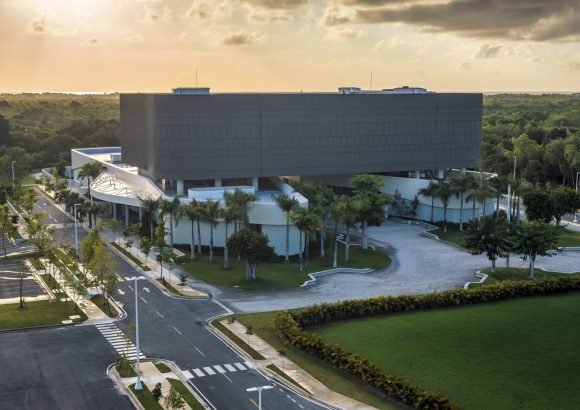
The newly opened Rainieri Cultural Center, known locally as El Nido, is being celebrated as a pivotal investment in sustainability for Punta Cana, Dominican Republic. Located in Puntacana Village, this cultural hub aims to foster local identity and environmental stewardship within the region.
El Nido seeks to establish a stronger connection between residents and their surroundings. The center is predicated on a principle articulated by Senegalese forestry engineer Baba Dioum in 1968: “In the end we will conserve only what we love; we will love only what we understand; and we will understand only what we are taught.” The center aims to educate visitors and locals alike about Punta Cana’s unique heritage, building a community-based appreciation for the area that goes beyond the beaches.
Punta Cana houses over 200,000 residents, many of whom are from outside the region and are unaware of the area’s rich history and natural environment. In 2025, Punta Cana Airport is expected to welcome more than five million international tourists, many of whom may leave without recognizing they have visited the Dominican Republic itself. El Nido aims to bridge this gap by presenting Punta Cana not just as a tourist destination, but as a vibrant community with valuable traditions and stories.
The architectural design of the center reflects its mission. Its rounded forms are inspired by the local freshwater springs in the Ojos Indígenas Ecological Reserve, underscoring the importance of nature in the cultural narrative. The center’s motto, “Un nido abierto para todos” translates to “a nest open to everyone,” symbolizing inclusivity and community spirit. The palmchat, the Dominican Republic’s national bird, serves as a representation of this ethos, as it builds communal nests that foster cooperation and protection among various species.
El Nido is part of a broader strategy articulated by Frank Rainieri and Ted Kheel, the founders of Punta Cana. Their vision encompassed not only the environment and tourism but also cultural resilience. Kheel, who was deeply invested in ensuring visitors experience the Dominican culture, believed that this approach would sustain Punta Cana’s uniqueness amidst increasing global tourism competition.
In 2009, Grupo Puntacana received the Destination Stewardship Award at the World Travel & Tourism Council’s Tourism for Tomorrow Awards, marking a significant recognition of its sustainability efforts. This accolade reflected the organization’s commitment to integrating environmental care with cultural appreciation.
El Nido is envisioned as a cornerstone for various community initiatives, encouraging collaboration among residents and fostering a shared sense of pride in the region. The project aims to inspire a communal effort in protecting natural resources by helping individuals develop a connection to their local environment.
As El Nido opens its doors, its creators and community members will continue to work together to build a space that not only highlights Punta Cana’s natural beauty but also preserves its cultural identity for future generations.
