




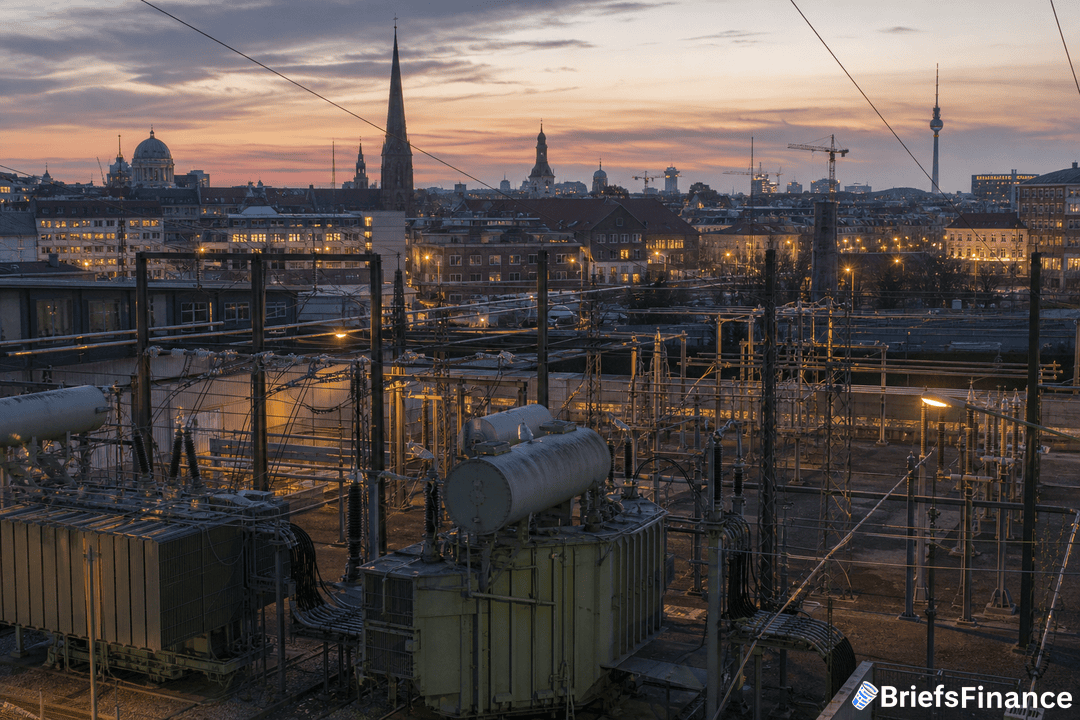
Europe’s electricity demand is on the rise once again, reversing a long-standing trend of decline. According to BloombergNEF, electricity consumption increased in most months over the past year in major markets such as Germany, Italy, and Spain. This shift marks a significant change, as power demand had dropped approximately 9% over the previous 15 years leading up to 2023.
The increase in demand has been consistent, with Ember reporting that September 2023 marked the 13th consecutive month of year-over-year demand gains—the longest stretch since at least 2018. Experts noted that weather-adjusted figures are crucial, as extreme temperatures can significantly influence energy usage patterns. A notably hot summer in Europe contributed to higher cooling demands.
Despite driving factors that previously reduced demand, including slower industrial activity and high energy prices, new sources of electricity consumption are emerging. Homes and businesses are utilizing more energy to support electric vehicles, air conditioning, and data centers. Markets with access to inexpensive and low-carbon energy, such as Finland and Spain, are well-positioned for significant data center developments, as indicated by BloombergNEF analyst Arhnue Tan.
Additionally, Kingsmill Bond, an energy strategist at Ember, highlighted that rising consumption can be attributed to the expansion of air conditioning, growing industries, and the increasing prevalence of electric vehicles across various countries. He also pointed out that the ongoing conflict in Iran has made countries reconsider their reliance on imported energy, prompting a shift toward electrification. “Most of the world doesn’t have a lot of oil and gas,” he said. “People are getting more and more nervous about chaos.”
Europe’s energy infrastructure faces a pressing challenge in keeping pace with the new demands, particularly in the context of growing renewable energy sources such as wind and solar. Insufficient transmission networks may add stress, especially during periods of inadequate sunlight or wind. Should demand continue to climb, it may lead to increased investments in wind and solar projects, which could create jobs and further boost economic growth.
BloombergNEF projects that the electricity demands of data centers will increase significantly, with European capacity expected to nearly double, reaching about 30 gigawatts by 2032 and approaching 39 gigawatts by 2035. Issues surrounding energy security and grid reliability will be topics of discussion at the upcoming BNEF Summit in London, scheduled for Monday and Tuesday, where leaders from various sectors will convene.
This renewed demand trend is seen as a structural shift toward greater electricity consumption as Europe moves away from oil and natural gas. Recent adjustments by the European Central Bank have forecasted a 0.9% GDP growth this year, which may support the increasing power needs. However, tensions related to the Iran conflict have led to surging benchmark European gas prices, further complicating the energy landscape. With seasonal gas inventories at low levels, energy prices and demand remain vulnerable to spikes as winter approaches.
