




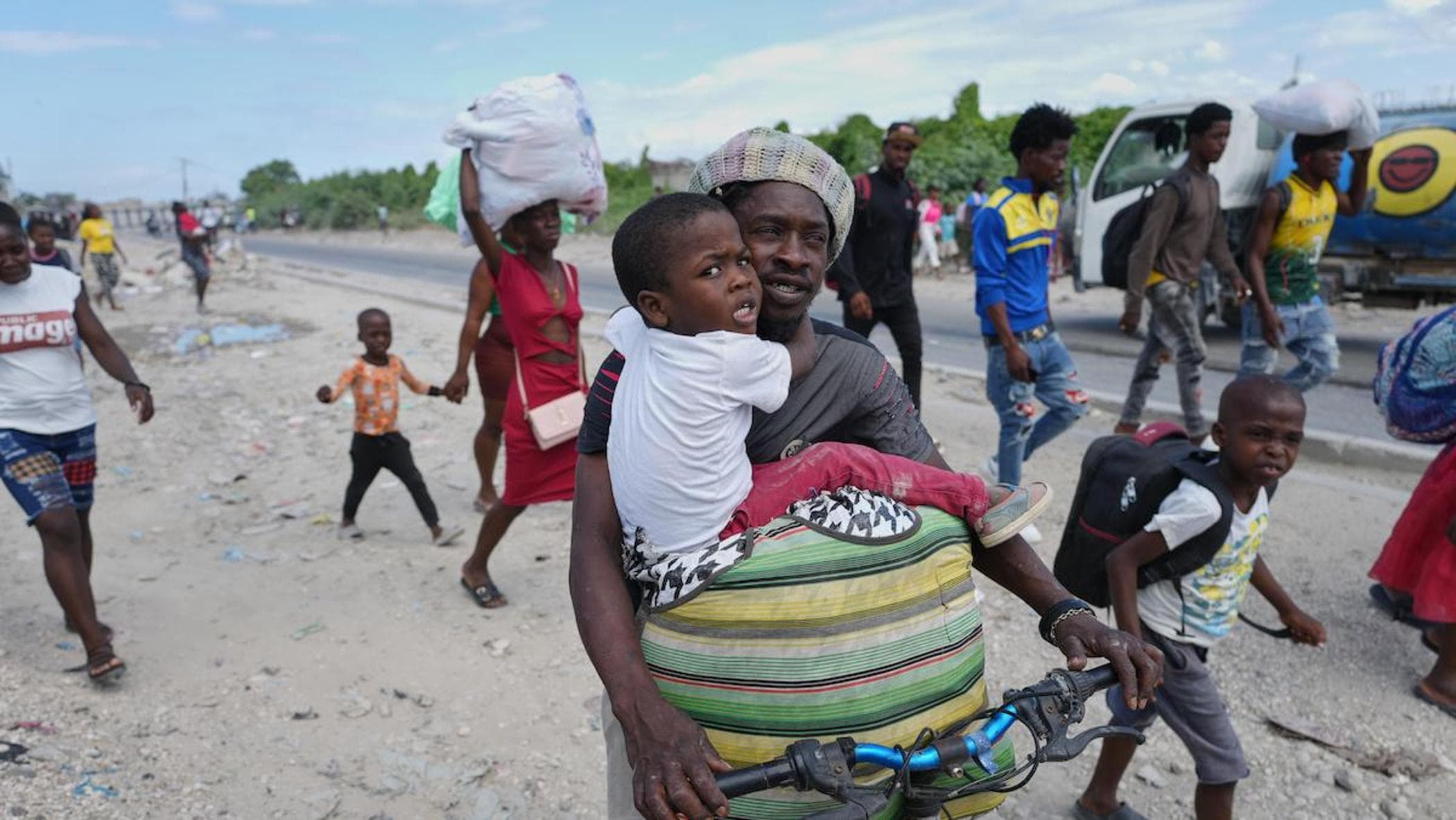
ROME – In Haiti, escalating violence among armed gangs has resulted in the displacement of approximately 7,250 individuals, representing 1,637 households, who have fled their homes to escape the conflict. The clashes primarily take place in Port-au-Prince and surrounding areas, where gangs are vying for control, leading to indiscriminate shootings in civilian-populated regions.
Many of those displaced have sought refuge with relatives in neighboring areas. According to the International Organization for Migration (IOM), about 60 percent of these families have relocated to Petite Rivière de l’Artibonite, located about 120 kilometers north of the capital, while an additional 40 percent have moved to the nearby municipality of Verrettes. The violence particularly affected the village of Bas Coursin and the town of L’Amour, prompting mass evacuations.
The situation in Haiti has become increasingly dire as armed groups exert control over an estimated 70 to 85 percent of Port-au-Prince. These gangs have instilled widespread fear through violence, including murders, kidnappings, and systematic sexual assaults. In response to the crisis, neighboring El Salvador dispatched troops to Haiti after the abduction of four soldiers by local gangs. Meanwhile, ongoing operations by the Multinational Anti-Gang Force (FSG) and a Kenyan-led mission have not yet yielded any significant improvement in public security.
Currently, Haiti faces a humanitarian disaster, with over 1.5 million internally displaced persons (IDPs) making up more than 10 percent of the population. The healthcare system is nearing collapse, and millions are experiencing acute food insecurity. Schools across the country remain closed or are being used for military purposes, resulting in a troubling increase in the recruitment of young boys by gangs. National elections are scheduled for December 13, with a run-off expected on February 21, 2027.
Concerns about the influx of weapons into Haiti continue to mount. Analysts question how gangs in this impoverished nation have access to advanced firearms, including assault rifles such as the AK-47 and AR-15. Haiti ranks 170th out of 193 nations on the Human Development Index, and its status in global geopolitics raises further inquiries regarding the arms trade in the region.
Additionally, despite a United Nations arms embargo intended to control weapons trafficking, reports suggest that the majority of firearms and ammunition supplied to gangs in Haiti originate from the United States, particularly Florida. This ongoing issue has been exacerbated by widespread corruption within Haitian institutions, allowing arms dealers to operate with impunity across the country’s porous borders.
