




Haiti Implements Pact for Prevention and Recovery
On November 6, 2026, the Haitian Government, alongside international partners, announced the activation of the “Pact for Prevention and Recovery.” This framework aims to establish mutual accountability between the Haitian Government and its international collaborators, focusing on priority reforms to bolster public trust in government institutions and tackle the root causes of instability and violence in Haiti.
The Pact draws on the World Bank Group’s new strategy for countries facing fragility, conflict, and violence. It outlines a series of ambitious reforms aimed at addressing structural issues that contribute to the country’s challenges. The Pact identifies four main reform areas:
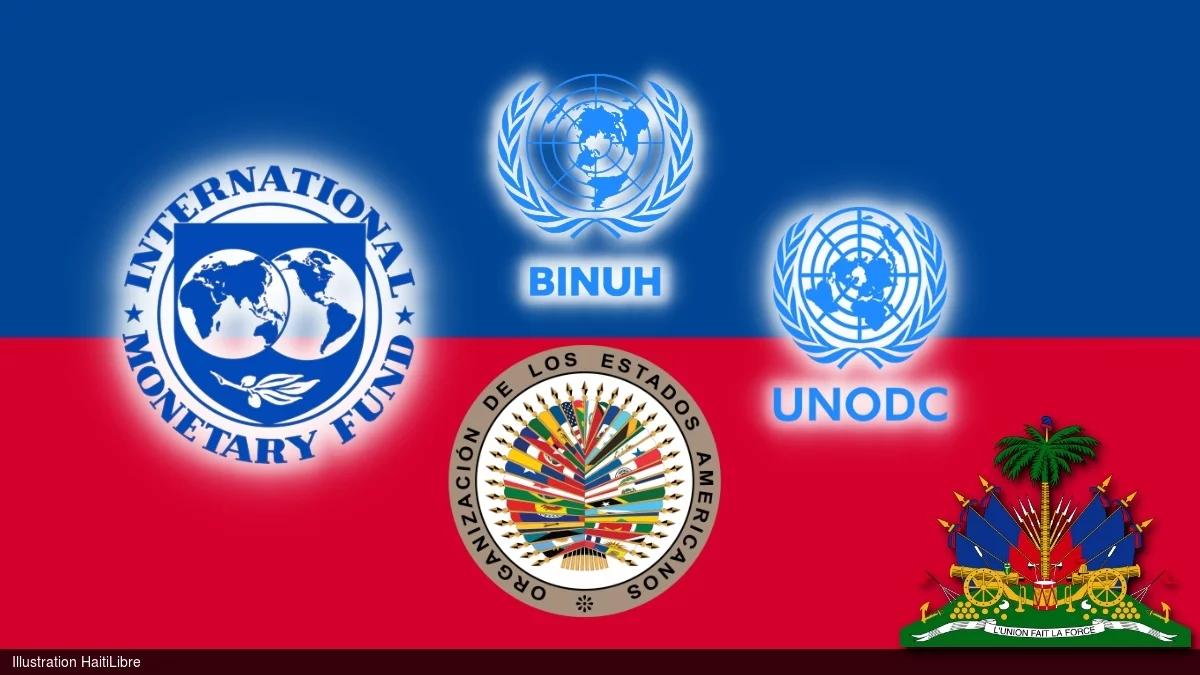
- Rule of law, justice, and security (in coordination with BINUH and the OAS);
- Governance and anti-corruption measures (supported by UNODC);
- Macroeconomic stability and fiscal policy (in collaboration with the International Monetary Fund);
- Sustainable jobs and investment.
“The Pact for Prevention and Recovery transforms the Government’s roadmap into a clear action plan: fourteen commitments across four priority areas, complete with measurable targets and firm deadlines,” said Serge Gabriel Colin, Haiti’s Minister of Economy and Finance. He emphasized that these commitments build on previous work with partners such as the IMF, BINUH, UNODC, and the OAS, aiming for tangible results in a critical time for Haiti.
The first phase of the Pact outlines reforms to be implemented over 12 months. Progress will be tracked and reported, with the first report due in April 2017, six months after the Pact’s activation. This report aims to provide transparency about the achievements made. Based on the level of progress, the World Bank will consider additional financing and develop a framework for engagement over the following three years.
Anne-Lucie Lefebvre, World Bank Group Operations Manager for Haiti, highlighted the significant efforts by the Haitian government in forming this Pact. She stated, “These reforms are essential for building confidence and creating the conditions for a sustainable recovery.” The World Bank Group has reaffirmed its commitment to assist the Haitian government in implementing these reforms.
The Pact underscores the importance of improving security, employment, and governance as prerequisites for Haiti’s overall recovery. Key partners, including the International Monetary Fund, the Organization of American States, and United Nations agencies, will play a role in monitoring the Pact’s implementation, maintaining a focus on accountability and measurable progress.
