




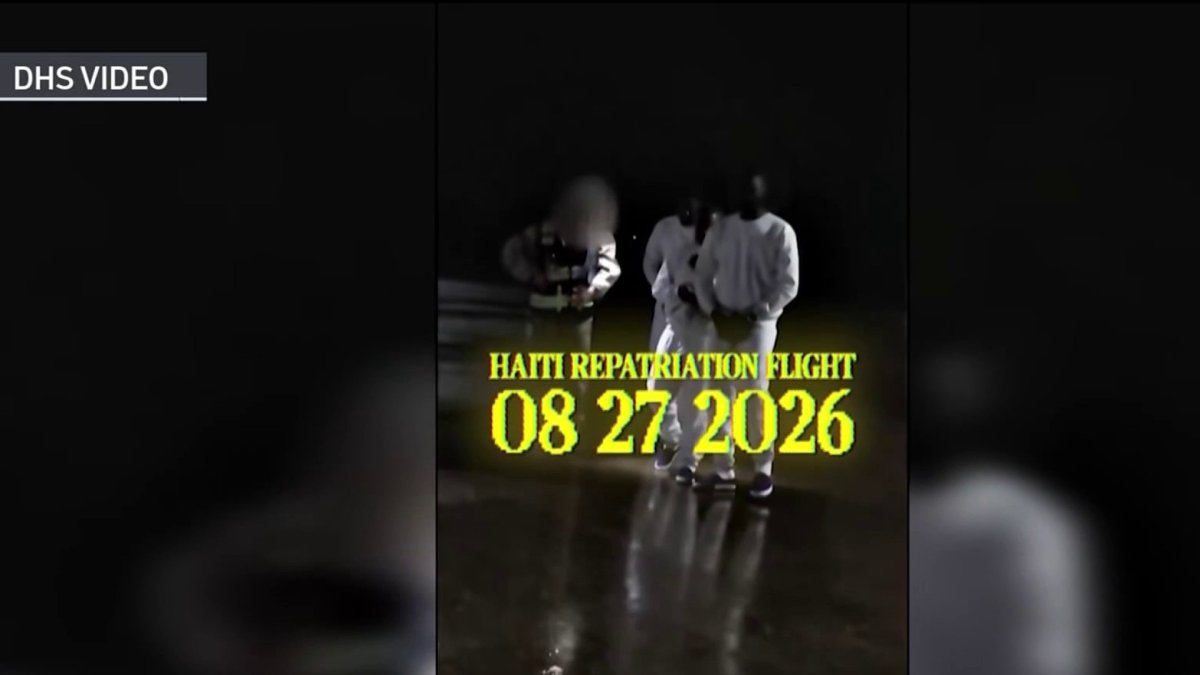
The recent release of a video by the Department of Homeland Security (DHS) has sparked significant outrage within the Haitian community in the United States. The DHS video, which depicts men boarding a deportation flight to Haiti in chains, was posted shortly after the first deportation flights commenced since the Trump Administration ended Temporary Protected Status (TPS) for Haitians. The first flight took off on August 27, prompting strong reactions from members of the Haitian diaspora.
Community Responses to DHS Video
Critics have voiced their condemnation of the video, describing it as dehumanizing. Paul Namphy, from the Family Action Network, characterized the footage as “absolutely reprehensible,” emphasizing that it reduces individuals to an inhumane status. Whenda Tima, the owner of the Haitian-American media outlet L’Union, expressed her disbelief over the video’s release, noting the severe implications it carries in depicting TPS holders.
In the video, which features an upbeat Haitian song, images of Black men in chains boarding an aircraft have struck many viewers as particularly disturbing. Tima criticized the framing of TPS holders as criminals, pointing out that these individuals were legally in the country under TPS. Namphy further illustrated the historical context surrounding negative portrayals of Black individuals, warning against the dangers of depicting any ethnic group as inferior.
The flight depicted in the video landed in Cap Haitien, where reports indicate that the deportees were not in chains while disembarking. While the DHS video has garnered over 1,500 comments on social media, the majority of the feedback has been negative, with many expressing shame in response to the imagery presented.
In a statement regarding the video, DHS acknowledged the controversy, asserting that TPS is temporary and encouraging individuals to take advantage of financial assistance and flight options home. However, community advocates question the effectiveness and motivation behind the video’s release, suggesting it may encourage self-deportation to a nation currently facing significant dangers, to the extent that many commercial airlines do not operate flights to the capital.
In response to the current circumstances, the Family Action Network is rallying for support from Florida’s senators to extend TPS for Haitians for an additional three years. The organization aims to address the challenges faced by those at risk of deportation amidst ongoing turmoil in Haiti.
Why It Matters
The incident underscores ongoing tensions surrounding immigration policies and their impacts on specific communities. The DHS video has not only raised concerns over the dehumanization of Haitian deportees but has also sparked a broader dialogue on the treatment of migrants and refugees in the United States, especially concerning the historical context of racial representation.
