




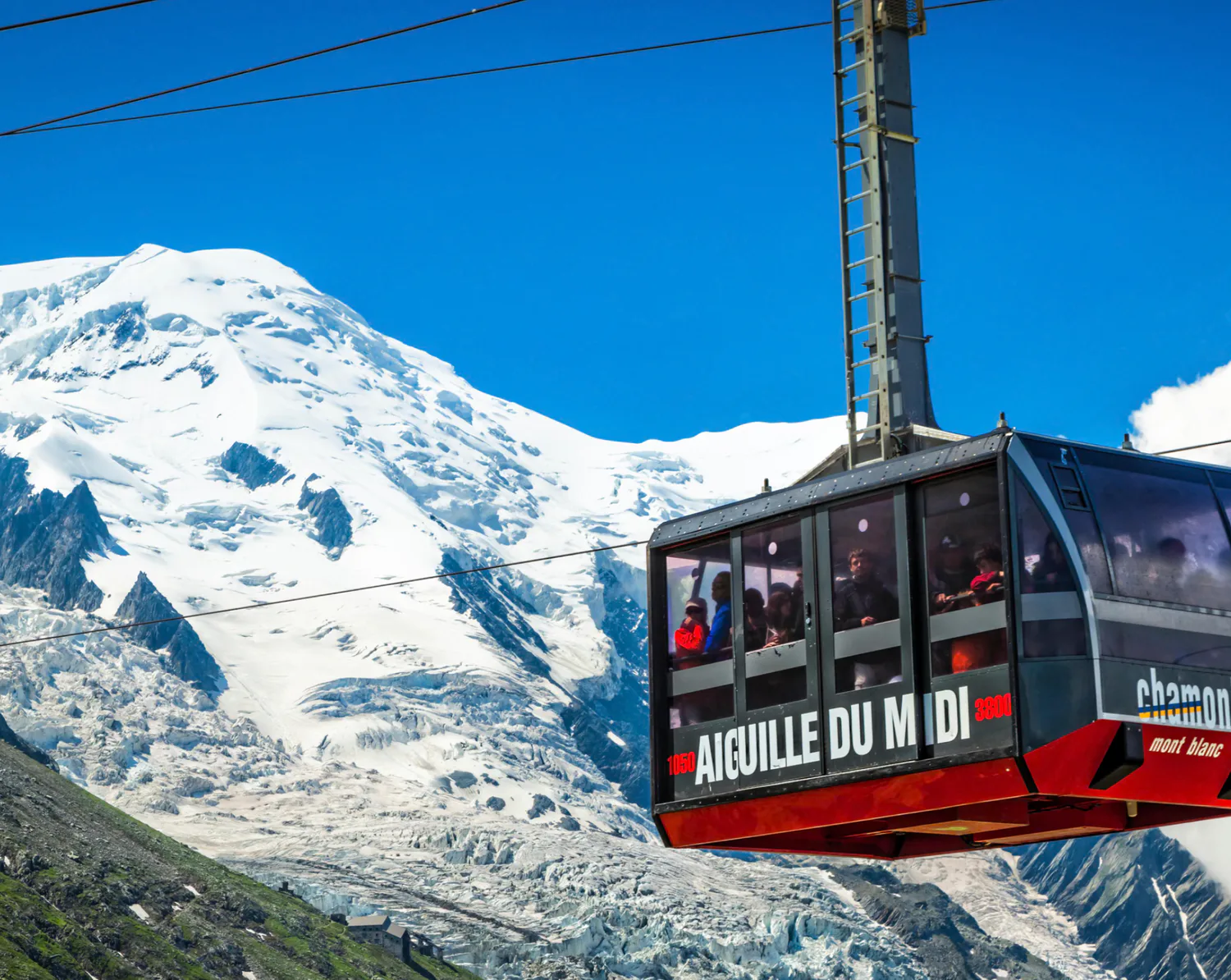
Mont Blanc, the highest mountain in Western Europe, has experienced a significant decrease in height, shrinking by more than a metre over the past year. Now, the summit stands at 4,807.47 metres above sea level, according to a recent measurement by a team of surveyors. This height is 1.29 metres lower than the mountain’s recorded elevation in 2025, as reported by United Nations News Network (UNN).
Mountains’ Dynamic Nature
While Mont Blanc’s general height is estimated to be around 4,792 metres, its summit varies due to the ongoing influence of heat, wind, and precipitation, which affect the snow and ice cover. During an expedition conducted last month, surveyors found the summit was 1.88 metres higher than in 2023, when it reached its lowest recorded height in recent history.
Surveyors from the National Union of Geometry Experts (UNGE) and the Order of Geometry Experts utilized advanced satellite technology and drones to accurately measure the mountain and model its snow and ice cap. Their findings reveal that Mont Blanc has decreased by 3.43 metres from its height of 4,810.90 metres in 2007.
Experts caution against making direct connections between annual changes in elevation and the broader trends of glacial loss linked to climate change. A representative from UNGE stated, “An increase in the summit’s elevation does not necessarily mean that the mountain has gained glacial mass, and it does not contradict the documented retreat of alpine glaciers.”
This year has seen record-high temperatures in Western Europe, contributing to alarming rates of ice melt in alpine regions. Swiss glaciologists recently reported that one-fifth of Switzerland’s ice has been lost in just five years, with a marked 5.5% reduction in volume observed from 2025 to 2026.
Jean de Garet, the president of the departmental chamber of surveyors of Haute-Savoie and leader of the Mont Blanc expedition, noted that the effects of climate change are visible throughout the Alpine massif. He explained, “At the moment, climate change does not appear to have the same impact above 4,000 metres.”
During his observations, he highlighted the rapid retreat of the Tête Rousse glacier, stating that it has melted noticeably in recent months, resulting in streams replacing what were once solid ice formations.
As climate conditions continue to evolve, ongoing monitoring of Mont Blanc and similar alpine environments remains critical for understanding the impacts of climate change on these natural landmarks.
