




Researchers across the Pacific are enhancing their understanding of ocean chemistry and its impacts on marine environments through collaborative efforts. Their work spans nations including Fiji, Samoa, the Solomon Islands, Kiribati, and Papua New Guinea. The initiatives are centered on understanding ocean acidification and its effects on diverse marine ecosystems.
Dr. Katy Soapi, Coordinator for the Pacific Community Centre for Ocean Science at the Pacific Community (SPC), emphasized the need for comprehensive regional data to address changes in seawater chemistry. “What Pacific scientists are now doing is building the local evidence needed to understand how those changes may impact our different island environments,” Soapi stated, stressing the importance of capturing variability in pH levels influenced by local environmental factors.
The region’s monitoring programs vary; Fiji has a robust system in place since 2023, while other nations like Samoa and the Solomon Islands are working to establish their capabilities. Samoa has benefited from access to monitoring equipment and training, while scientists in the Solomon Islands are currently developing their long-term monitoring skills. Each island faces unique challenges based on local environmental conditions, making tailored approaches essential.
The Pacific Islands Ocean Acidification Centre (PIOAC), established in 2021, is instrumental in linking national monitoring efforts and enhancing scientific capacity. This initiative includes collaboration among multiple institutions, such as SPC and the University of Otago, and operates across nine Pacific Island countries. PIOAC supports countries by providing necessary equipment, training, and data management assistance to generate reliable monitoring data.
“Through the Pacific Islands Ocean Acidification Centre and regional partnerships, we’ve created a community where knowledge is shared and challenges are solved together,” said Azaria Pickering, an SPC technical officer. This collaborative model aims to close data gaps while promoting regional engagement in global conversations about ocean conditions.
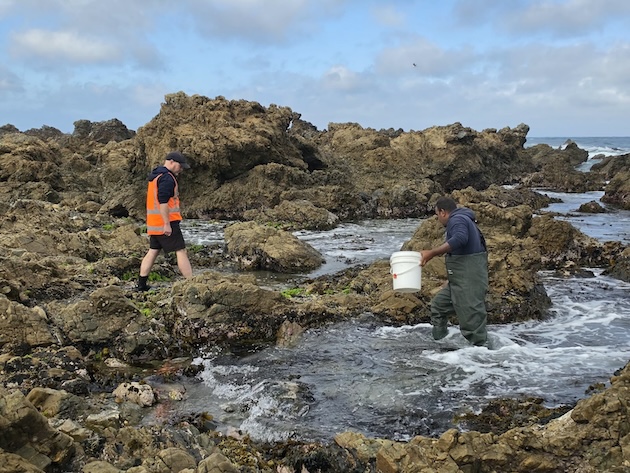
In October, Pacific scientists participated in a training program in Wellington to understand how marine life responds to changing ocean conditions. The training covered biological research, linking seawater chemistry changes to potential impacts on coral reefs and fisheries. “Monitoring seawater chemistry tells us how conditions are changing, while biological research helps us understand what those changes could mean for the organisms that support our reefs, fisheries, and livelihoods,” said Dr. Soapi.
The sixth International Symposium on the Ocean in a High-CO₂ World, held in Wellington recently, provided a platform for Pacific scientists to present their research and collaborate with international peers. Discussions included the challenges faced by island nations, such as limited resources for monitoring, and highlighted the importance of regional and global partnerships in scientific efforts.
As scientists continue to monitor changing ocean conditions and strengthen their capabilities, the focus remains on building a regional understanding of how these changes impact local communities and ecosystems. Further training and sustained support are crucial to continue this important work and ensure the resilience of Pacific marine environments.
