




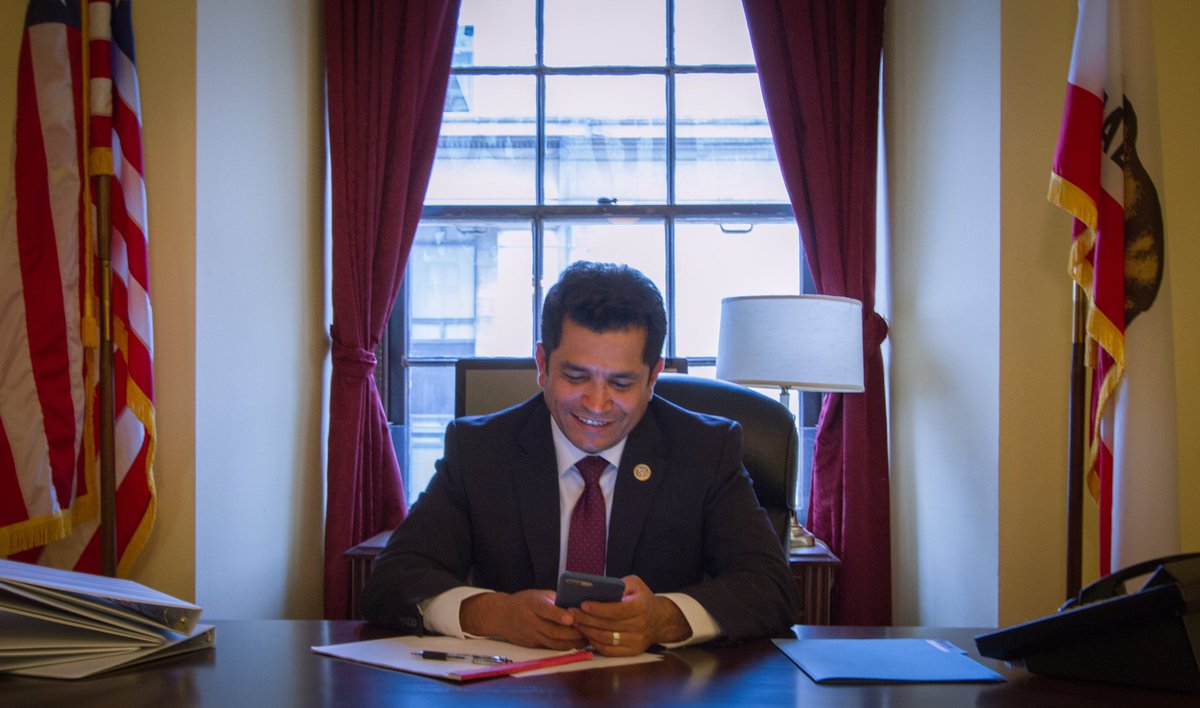
Los Angeles residents are increasingly concerned about the influence of corporate donations on their elected officials, which they believe compromises the prioritization of local needs in policymaking. Representative Jimmy Gomez, a Democrat representing California’s 34th District, has reportedly received over $133,000 from various corporations, including health, insurance, and pharmaceutical companies, all while these sectors have raised costs for essential medical services in the city.
Additionally, Gomez has accepted more than $304,000 in donations from the pro-Israel lobby, predominantly from the American Israel Public Affairs Committee. His financial backing also includes over $500,000 from cryptocurrency and artificial intelligence super PACs. Critics note this funding aligns with Gomez’s votes on legislation favorable to these special interest groups.
At the local level, city council candidate Jose Ugarte is also seeing significant financial backing, with over $1 million in outside spending for his campaign in District 9, which includes the University of Southern California. Notably, Airbnb has contributed $302,000 in independent expenditures for Ugarte’s campaign, while the California Apartment Association Housing Solutions Committee has invested more than $1.5 million to support candidates, including Ugarte, who many believe will not adequately address high rent and housing costs.
Advocates for voters argue these corporate donations undermine the voices of regular constituents. Studies suggest that campaign donors often receive preferential access to senior officials in congressional offices compared to ordinary voters. This dynamic raises concerns about the degree to which Los Angeles officials are responsive to their constituents versus corporate backers.
In light of this situation, the Los Angeles City Ethics Commission has removed spending ceilings for independent expenditures in City Council District 9, leading to fears of increased corporate influence on elections. Without limits, corporations and special interest groups can spend unlimited amounts to promote preferred candidates, further diluting the voices of everyday voters.
Proposition 4 will be on California’s ballot in November, allowing government entities to establish public campaign funds for candidates. Advocates believe this proposal could help reduce reliance on corporate funding, giving more power back to the voters. However, the effectiveness of such a measure remains uncertain without a complete ban on corporate donations.
Residents are encouraged to engage more actively in the political process, researching candidates and ballot measures to ensure their concerns are prioritized. Grassroots efforts, such as those led by Dr. Abdul El-Sayed in Michigan, demonstrate that voter mobilization can successfully challenge corporate influence in elections, energizing hope among Angelenos that change is possible.
