




Haiti’s Provisional Electoral Council (CEP) announced on October 28 that the presidential election, originally slated for December 13, has been postponed until July 18, 2024. This marks the third delay, as the country previously pushed the election date from August 30 to December due to ongoing gang violence and instability.
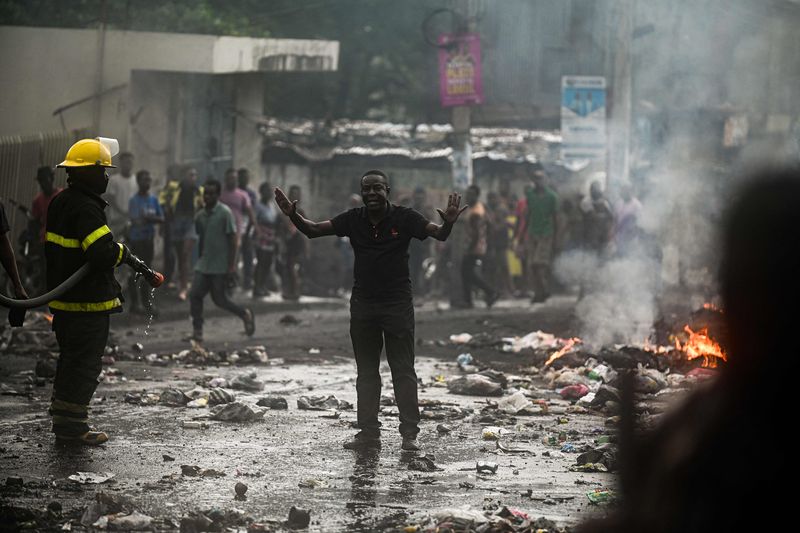
The last presidential election in Haiti took place in November 2016, and since then, the political landscape has deteriorated significantly. Gangs now control roughly 80% of the metropolitan area of Port-au-Prince, making election preparations and even basic governance nearly impossible. The absence of a functional government, exacerbated by the influence of armed groups, has left elections stalled and citizens disenfranchised.
Electoral authorities cited a range of difficulties, including a significant lack of safety for voters and campaigners. Over 1.5 million residents have been displaced, complicating voter registration efforts. The electoral roll contained approximately 6.5 million registered voters by the last election, but as of now, only about 900,000 voters have completed their registration for the upcoming vote.
The violence is especially concentrated in Port-au-Prince, which is home to about 3.2 million people in an area of approximately 150–160 square kilometers. A study by BBC in December 2022 noted that Haiti is home to around 200 armed groups, with a majority located in urban regions.
The most dominant gang, G9, is led by former police officer Jimmy Chérizier, who formed the group in June 2020. G9 has expanded its power through alliances with political entities and has been implicated in various crimes, including collecting fees at infrastructure sites. Opposing it is G-Pep, established simultaneously and led by Gabriel Jean-Pierre, which has engaged in violent confrontations with G9 over the years. Since early 2023, these factions have formed a cooperation alliance known as Viv Ansanm (“coexistence”).
Recently, clashes ensued between Viv Ansanm and the UN’s Multinational Gang Suppression Force (GSF), deployed to address the escalating violence. While the mission began in June 2024 with plans for around 5,500 personnel, actual troop strength currently hovers around 1,500. The situation shifted further with the arrival of Salvadoran troops, tallied at around 2,000, following an incident where Salvadoran technicians working with GSF went missing amid gang violence.
The growing presence of foreign troops aims to stabilize the region, but the ongoing chaos poses significant challenges for the Haitian government as it attempts to regain control and facilitate a proper electoral process.
