




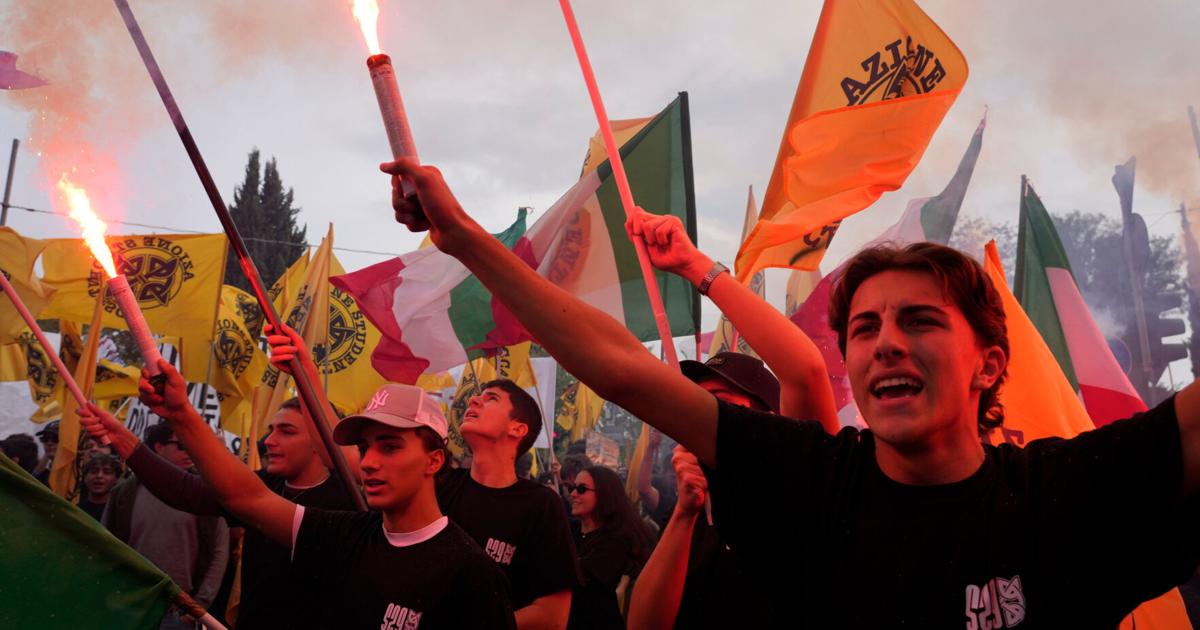
Protests erupted across several European cities this week, with demonstrators voicing concerns over a variety of pressing issues. Major gatherings were reported in Milan, Madrid, Lisbon, and Tirana, where participants highlighted grievances related to pensions, housing, education, and corruption.
The demonstrations reflect a growing sentiment among citizens regarding economic and social policies. In Milan, protesters rallied against pension reforms, while in Madrid, demonstrators focused on the rising costs of housing and the government’s response to affordability issues.
In Lisbon, the protests centered around dissatisfaction with government policies affecting education and public services. Participants expressed frustration over perceived corruption and inefficiency, calling for greater transparency and accountability from their leaders.
Similarly, protests in Tirana addressed issues of governmental corruption and military involvement in conflicts abroad, with many participants demanding an end to foreign interventions.
These demonstrations indicate a broader trend of civil unrest across the continent, as people unite to demand changes to policies that they believe fail to address their needs. The protests are also characterized by a diverse mix of participants, reflecting various demographic and social backgrounds.
Officials and community leaders have acknowledged the significance of these protests, asserting the importance of addressing the underlying issues raised by demonstrators. Discussions on policy reforms are expected to follow in several affected regions.
As protests continue, organizers are planning additional events to maintain momentum and broaden their reach. The situation remains dynamic, with authorities monitoring developments and preparing for further demonstrations.
