




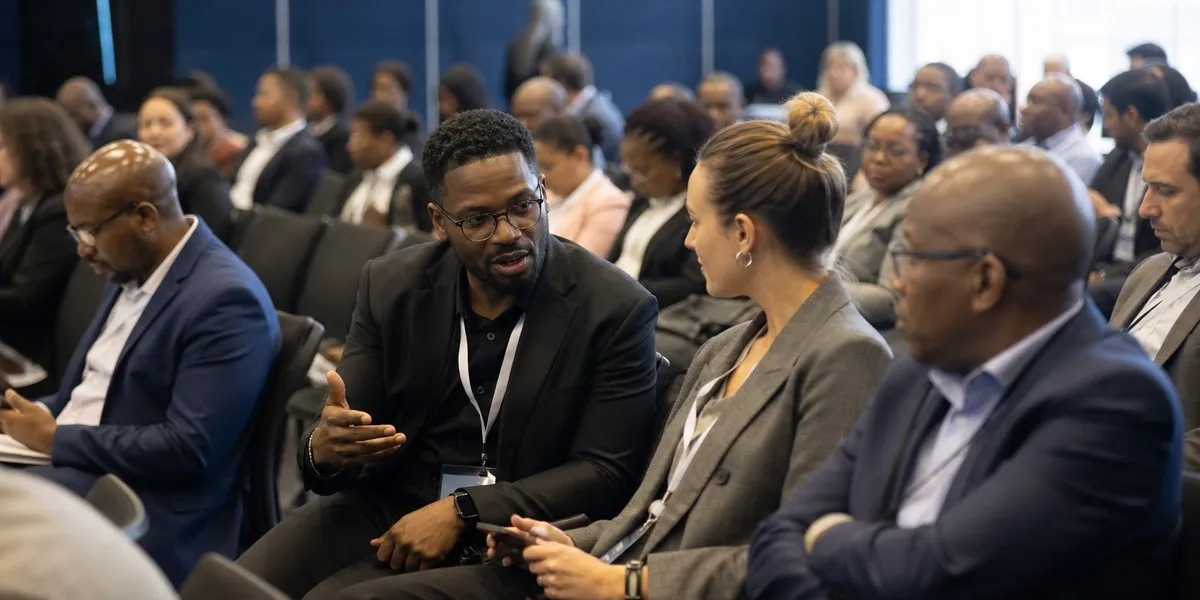
South Africa to Draft National AI Policy by March 2027
South Africa is set to submit a new draft national policy on artificial intelligence (AI) to the Cabinet by the end of March 2027, according to Minister of Communications and Digital Technologies, Solly Malatsi. This announcement was made during the GovTech conference in Durban.
Document Review and Previous Policy Withdrawal
The minister disclosed that a previous iteration of the AI policy was withdrawn due to the emergence of inaccuracies, termed as “hallucinations” within the text. Malatsi indicated that while detailed feedback was provided during the first draft stage, the document’s bibliography was not thoroughly validated, leading to the withdrawal. He emphasized the importance of ethical practices in the creation of such documents, advocating for transparency and accountability if errors are discovered.
Malatsi noted that the use of AI to assist in research and document preparation can be acceptable, provided such usage is properly disclosed. He also stressed the necessity for meticulous verification of all details in policy drafts.
Expert Advisory Group Involvement
To aid in drafting the new policy, an expert advisory group has been convened, led by Professor Benjamin Rosman from the Wits Mind Institute. The Minister expressed optimism that this group will produce a comprehensive document tailored to South Africa’s unique circumstances, free from preventable mistakes.
Addressing concerns over regulation in the AI sector, Malatsi cautioned against creating excessive regulations that stem from fear of technological advancements. He conveyed that regulations should foster economic growth while simultaneously ensuring adequate protections. The concept of digital sovereignty was also highlighted, being described as essential to state development, the safeguarding of citizens’ rights, infrastructure enhancement, international collaboration, and the encouragement of innovation and business.
Why It Matters
The development of a national AI policy is crucial for South Africa as it addresses the challenges and opportunities posed by technological advances. A well-structured policy is expected to facilitate responsible AI usage, promote ethical standards, and ensure the protection of citizen rights while supporting the country’s economic growth and technological progress.
