




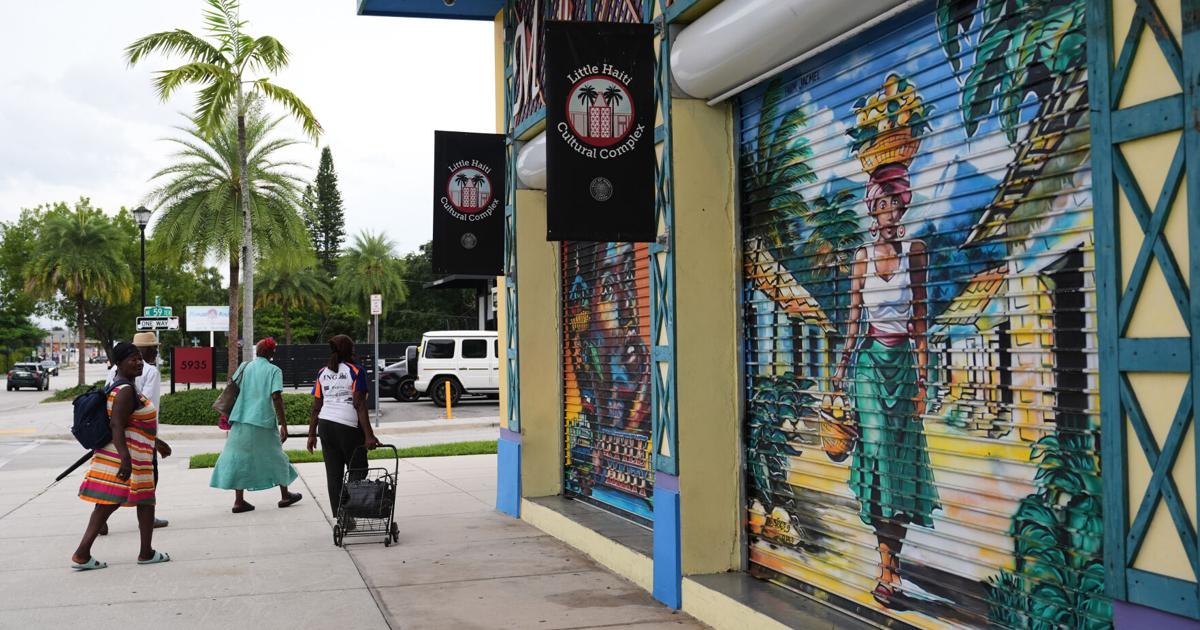
South Florida’s Haitian community faces growing uncertainty and fear following the cancellation of Temporary Protected Status (TPS) for approximately 150,000 individuals. This change allows federal immigration agents to arrest and deport them, raising concerns about the safety of deportees who could be forced to return to a country plagued by gang violence.
Many members of the Haitian community in areas like North Miami and Little Haiti are now taking precautions to avoid deportation. One individual, Evka, who migrated from Haiti at the age of four, shared that she feels a constant sense of dread. Although she holds a master’s degree in civil engineering and previously worked as an operations manager, she now refrains from leaving her home due to fear of immigration enforcement. She expressed her hope for a solution to her situation, yet acknowledges the emotional toll this uncertainty has on her and others.
The impact of TPS termination extends beyond personal fears; it also threatens the economic fabric of the community. TPS holders have contributed significantly to the local economy, with estimates suggesting a $2.6 billion contribution. Local faith leaders like Pastor Rick Eugene note a decline in church attendance, attributing it to fear of deportation. Many congregants now opt to watch services online rather than attending in person.
Haiti currently suffers from widespread gang violence, with reports indicating a record number of murders and kidnappings this year. The deterioration of safety in the country makes the prospect of deportation particularly alarming. Naomie, another TPS holder, has shared her reluctance to engage in normal activities, such as doing laundry, due to fears of encountering immigration authorities.
Despite the U.S. government’s justification for ending TPS as a means of upholding immigration laws, critics argue that the removal of protections contradicts the fundamental intent behind TPS, which is to shield individuals from returning to dangerous conditions. Advocates emphasize that sending individuals back to harm violates international laws, as many individuals fear for their lives due to gang control in Haiti.
As deportations begin, with estimates of at least 125 individuals being sent back each week, the situation remains fluid. Immigration attorneys worry about the lack of safe reintegration measures in Haiti, contributing to the anxiety felt by those who are likely to be affected.
Why It Matters: The cancellation of TPS for Haitian migrants not only affects the individuals involved but also poses potential repercussions for their families, communities, and local economies in South Florida. The situation underscores ongoing debates around immigration policy and humanitarian responsibility.
