




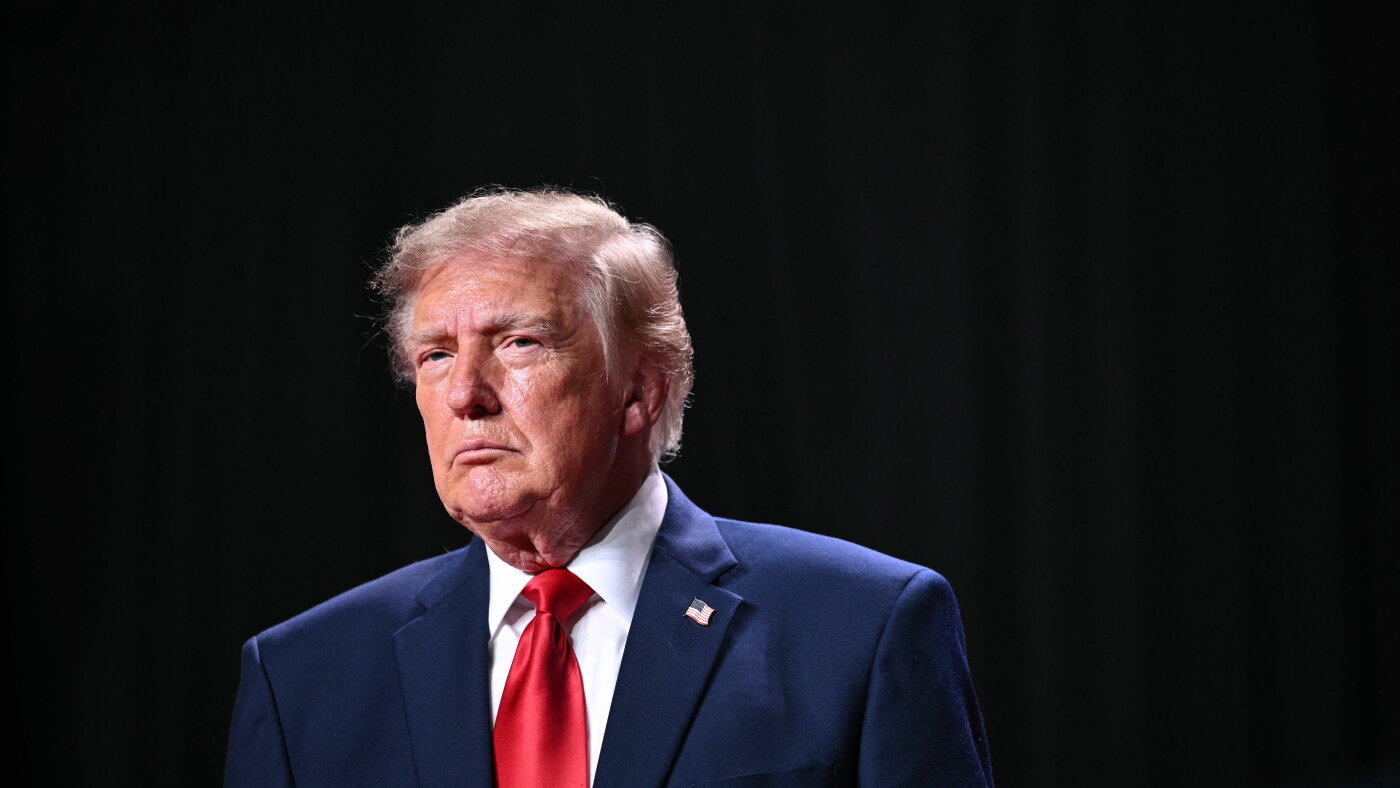
Support among Generation Z voters for President Donald Trump appears to be dwindling as the midterm elections approach. Focus group discussions conducted last week revealed a noticeable decline in enthusiasm among younger voters who previously backed Trump, many expressing disappointment in his administration’s performance.
The focus group, organized by Navigator Research, included eight voters aged 20 to 29 from five states won by Trump in the 2024 election: Florida, Mississippi, Ohio, Texas, and South Carolina. With early voting already underway in several states, participants voiced concerns about rising costs and a lack of fulfillment of campaign promises. Some even admitted they regretted their votes for Trump.
“I just feel like nothing went correctly. I just feel like everything got worse,” said John, a 29-year-old from Florida, who described his intention to support Democratic candidates this fall due to economic hardships. He assigned Trump a failing grade of F, citing rising costs as a significant factor in his decision to change allegiance.
Six out of the eight focus group members rated Trump’s job performance as a D or F, while two assigned him a C. The dissatisfaction expressed in this group resonates with recent polling data from Navigator, which indicated that approximately one-third of Generation Z voters regret their support for Trump, a figure higher than that of older generations.
Despite waning enthusiasm among some, not all participants from the focus group have abandoned their support for Trump. Four participants indicated plans to vote for Republican candidates, including Matthew, a 25-year-old from Texas, who gave Trump a grade of C. He praised Trump’s efforts on border security and foreign policy, expressing belief in his capability to lead effectively if Republicans secure a larger legislative majority.
The changing sentiments among younger voters occur within a broader context of shifting political alliances. Trump has also seen declining support from other demographic groups, including independents and Latino voters, especially in what many anticipate could be a challenging election cycle for the Republican Party.
The implications of this shift could affect not only the midterm elections but also the future strategies of both parties as they seek to connect with younger voters. “That doesn’t necessarily mean that they’re swinging right over to Democrats,” stated Melissa Toufanian of Navigator Research. She noted that voters are increasingly disillusioned with both parties and may lean toward a more centrist, distrustful approach rather than strongly backing either side.
As early voting continues and election day approaches, the dynamics of young voter support remain crucial for both parties and could play a decisive role in determining the outcome of the upcoming elections.
