




European nations now supply approximately two-thirds of the intelligence that Ukraine receives from its allied partners, a significant majority that underscores the continent’s growing role in supporting Kyiv amid the ongoing conflict with Russia. French Foreign Minister Jean-Noël Barrot made this announcement during an interview with France Inter on October 15.
Barrot noted that, “Two-thirds of the intelligence provided to Ukraine today comes from Europeans, including France.” His remarks come at a time when Ukraine is grappling with uncertainties regarding intelligence support from the United States, particularly following recent tensions concerning Ukrainian strikes on Russian oil refineries.
The escalating role of European nations in intelligence sharing provides Ukraine with critical battlefield and strategic information. According to Militarnyi, this assistance encompasses various intelligence capabilities, such as optical and radar satellite imagery, signals intelligence, and detailed reports on Russian troop movements. Additionally, European countries are providing warnings regarding ballistic missile threats, which are crucial as these weapons leave little time for Ukrainian civilians and air defense units to respond once launched.
To enhance their monitoring capabilities, European nations have deployed ground-based electronic intelligence systems and advanced long-range radars, which are instrumental in tracking missiles beyond the standard radar detection range. France, in particular, is making significant investments to expand these capabilities.
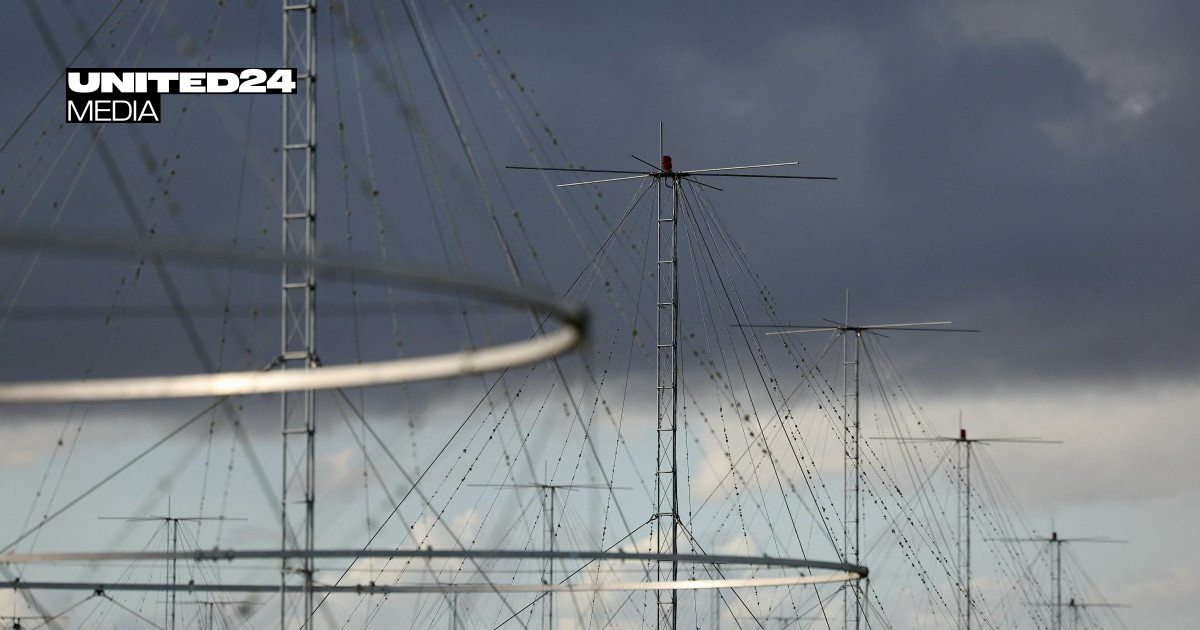
Recently, Paris announced a major upgrade of its Nostradamus strategic radar system located in the Eure-et-Loir department. This sophisticated over-the-horizon radar can detect activity thousands of kilometers away, covering a vast swath of territory from the North Sea to the Ural Mountains without the need for rotating antennas. Developed by France’s ONERA aerospace research agency in the 1990s, the Nostradamus system had remained largely inactive for years but is now being revitalized in response to increasing threats from nations like Russia and Iran, with more than €50 million allocated for its modernization.
Unlike traditional radars, Nostradamus employs high-frequency radio waves reflected by the ionosphere, allowing it to detect airborne objects well beyond the typical line of sight. The system features antennas arranged in a star-shaped configuration over 12 hectares, enabling it to monitor a significant volume of airspace from the ground to altitudes of around 250 kilometers.
In conjunction with these developments, Russian President Vladimir Putin has warned that Russia would consider the use of all available military options, including nuclear weapons, in the event of a direct attack or blockade on its territory, such as Kaliningrad.
