




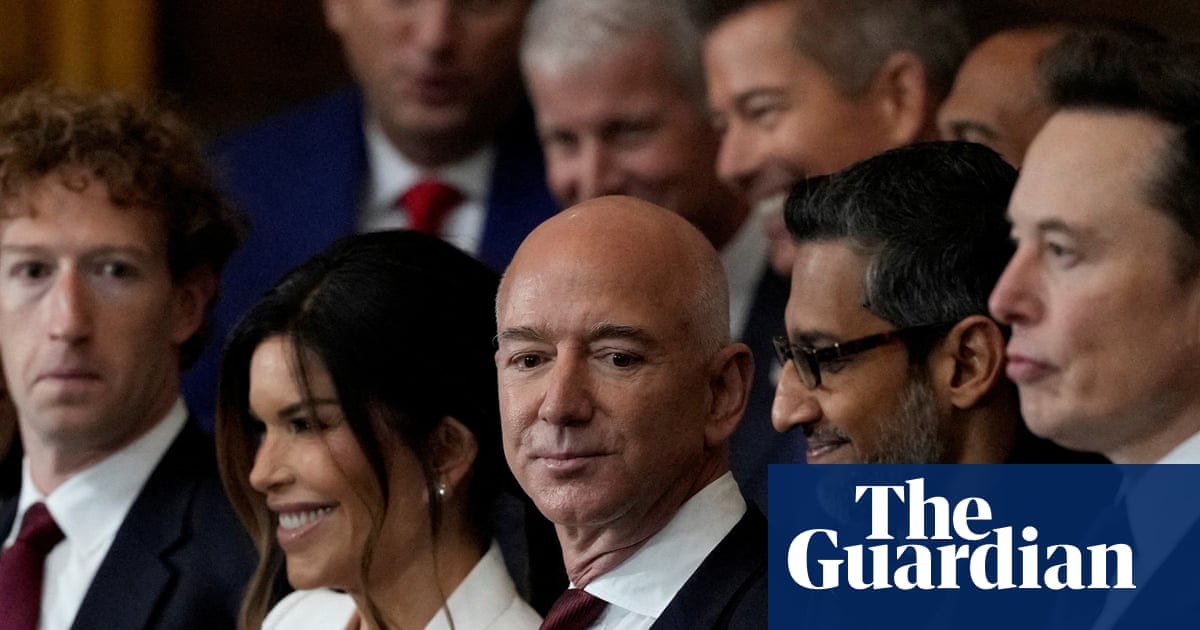
Silicon Valley’s tech elites are facing a challenging political landscape following the recent midterm elections, which saw the Democratic Party gain significant momentum across the United States. Prominent billionaires, including Elon Musk, Jeff Bezos, and Mark Zuckerberg, who were once aligned with Donald Trump, may now find themselves navigating a “blue Congress” determined to scrutinize and regulate their industries.
The midterms marked a notable shift as Democrats flipped seats previously held by Republicans, even in traditionally red states like Texas. This shift reflects a growing voter concern regarding corruption among the wealthy, particularly with regard to perceived influences from tech billionaires. Many voters expressed frustration with the tech industry’s impact, contributing to the Democratic gains and pushing constituents away from Republican candidates.
Texas Democratic Representative Greg Casar articulated a sentiment echoed by several party members: “Voters rejected Republicans in part because they were bought and paid for by AI billionaires. Democrats must hold them accountable instead of cashing their checks.” Similarly, Georgia Senator Jon Ossoff, who won re-election, vowed to rein in the tech giants, stating that they cultivate isolated environments while generating risks associated with artificial intelligence.
Democratic leaders have proposed investigations into tech companies and an immediate pause on the construction of datacenters, which could hinder the expansion plans of major AI firms. Significant pledges from governors, including those from Texas and Georgia, indicate a coordinated effort to impose moratoriums on new hyperscale datacenters amidst rising public discontent.
Senator Ed Markey of Massachusetts echoed the aggressive stance of his colleagues in a tweet, suggesting that extensive investigations into the tech sector would soon follow the election results. Letters have reportedly been sent to companies like Nvidia and Amazon to preserve records for potential inquiries, with Elon Musk likely to be a focal point for scrutiny due to his deep involvement in the Republican fundraising landscape.
Compounding these challenges for Musk, his support of Republican candidates yielded disappointing results, particularly in Texas, where Ken Paxton faced a significant loss after receiving substantial financial backing from the billionaire. Following the election, Musk expressed frustration through social media, contemplating a more distant approach to his business operations.
As Democrats prepare to assert their influence, the future of key tech initiatives and lucrative contracts, such as Musk’s $200 million deal with the U.S. military through his AI company, xAI, may face intense questioning and potential reevaluation. Concurrently, Mark Zuckerberg’s recent political alignment and his strategies to gain favor may be put to the test as he confronts renewed scrutiny from lawmakers.
Amid these developments, OpenAI’s CEO Sam Altman appears to be shifting his public messaging, advocating for human oversight in AI development to distance himself from previous associations with Trump. Moving forward, the tech industry’s trajectory in the political sphere remains uncertain as these leaders must recalibrate in response to the evolving political climate.
