




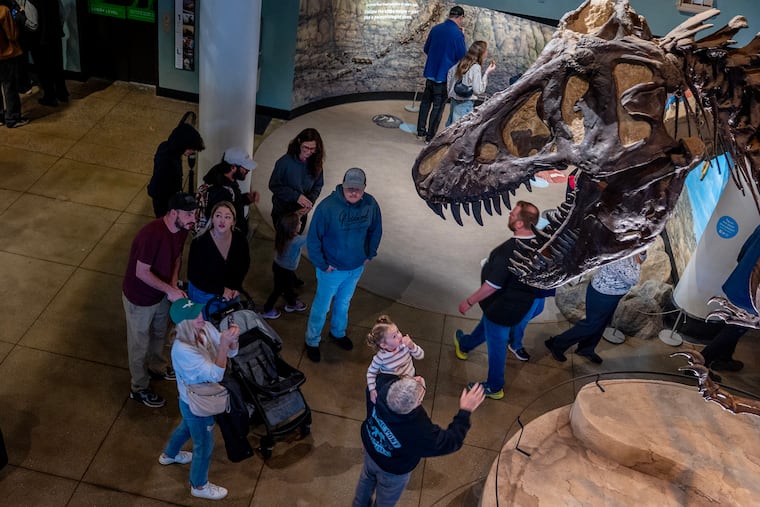
Thousands of visitors flocked to the Academy of Natural Sciences of Drexel University on its final day of operation, reflecting on the museum’s long history and their personal connections to it. The museum, which has been open since 1828, is renowned as a pioneer in American paleontology. Recent economic pressures and declining attendance led the university to announce the museum’s closure earlier this month.
Final Day of a Cultural Institution
Emotions ran high as visitors experienced the museum for the last time. Among them was Rene Garner, a retired educator who expressed her sadness as she arrived with her family. “This was such a great big part of our lives,” Garner remarked, noting the impact the academy had on her son’s passion for science during summers spent at its camps.
On its final day, the museum attracted a significant crowd, with about 8,000 attendees visiting over the weekend, some traveling from across the country for a final opportunity to engage with its exhibits. Visitors were seen taking photos, interacting with museum educators, and enjoying activities that highlighted the academy’s rich offerings.
The museum’s closure has raised concerns among the community and former patrons. A spokesperson for Drexel University indicated that while the William Penn Foundation proposed to aid the museum financially for a year to explore sustainable options for its future, the university has not found a viable long-term plan that would ensure its continuation. The foundation’s offer, while significant, has not resulted in a confirmed agreement with Drexel.
On the final day, canvassers from advocacy groups worked to raise awareness about efforts to save the academy, engaging visitors and sharing messages of support for the museum’s heritage. The situation reflects a broader public sentiment that recognizes the importance of preserving cultural and educational institutions.
The Academy of Natural Sciences has served as a beloved educational resource for generations. Its closing marks the end of an era that has significantly contributed to the understanding of natural history in America.
Why It Matters: The closure of the Academy of Natural Sciences resonates beyond just a local loss; it highlights the challenges faced by cultural and educational institutions in adapting to changing economic landscapes. This event underscores the importance of community support and sustainable funding for maintaining historical and educational resources.
