




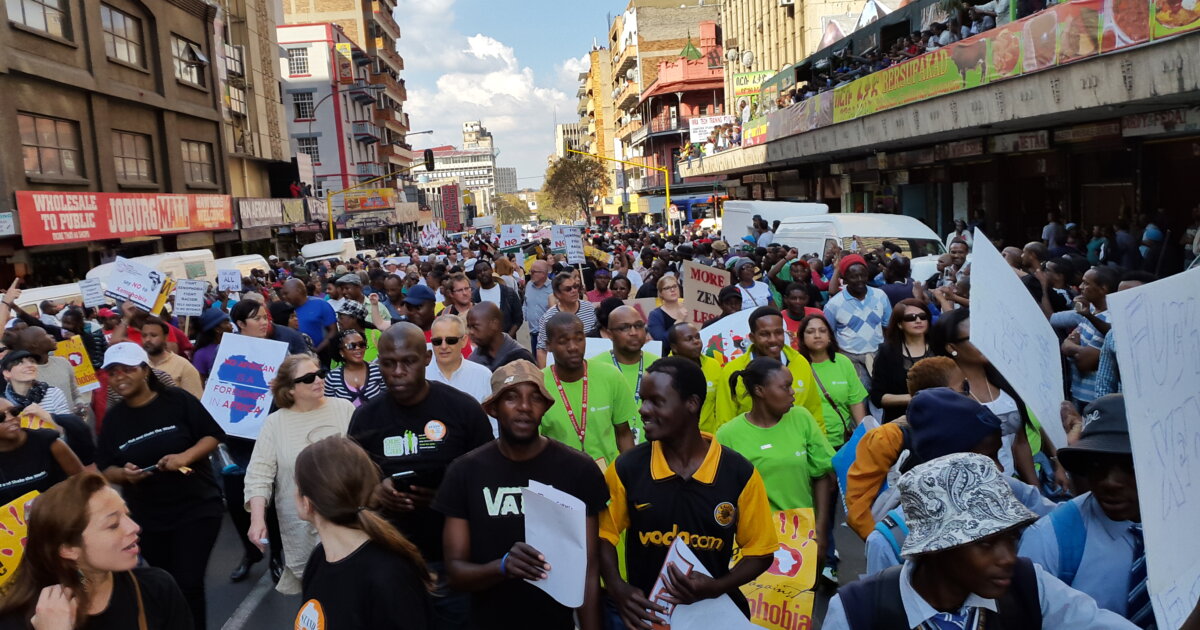
Xenophobic incidents in South Africa have persisted since the end of apartheid in 1994, leading to recurring cycles of violence against foreign nationals. Human rights advocates assert these attacks violate the rights of migrants, particularly those from other African nations, with numerous fatalities reported over the years.
Recent Protests and Incidents
On June 30, 2026, anti-immigrant protests occurred nationwide, with participants reportedly carrying sticks and spears. The protests were partly a response to an unofficial deadline set by anti-migrant groups for undocumented individuals to leave the country. This development followed previous demonstrations on April 28, organized by groups like the March and March movement and the Abahambe movement, which called for government action on illegal immigration.
Protesters cited illegal immigration as a contributor to rising crime rates and economic challenges, amidst a recorded unemployment rate of 32.7% in the first quarter of 2026. Xenophobic sentiments have ignited violent encounters; in April, a widely circulated video depicted South Africans attacking a Ghanaian national, urging him to return to his home country.
The historical context of these xenophobic incidents is expansive. Since 1995, numerous attacks have been documented, including a series of violent events leading to the deaths of refugees and migrants. For instance, in January 1995, gangs in Alexandra Township assaulted and displaced suspected immigrants. In 1999, reports emerged of 30 refugees killed, and in 2000, Operation Crackdown resulted in thousands of arrests tied to foreign nationals.
Significant attacks continued throughout the years, with a notable escalation in 2008 when mobs targeted foreign nationals in townships, resulting in thousands being displaced and several deaths. The violence often escalates following remarks by public figures blaming immigrants for social issues, further exacerbating tensions in communities.
More recently, a disturbing wave of violence erupted in 2026, culminating in the tragic deaths of Ethiopian nationals in Johannesburg, as well as widespread protests demanding governmental intervention against illegal immigration.
Why It Matters
These ongoing xenophobic attacks raise critical issues regarding human rights and social cohesion in South Africa. As the country grapples with high unemployment and economic strife, the targeting of foreign nationals reflects deeper societal tensions that require urgent attention from both policymakers and civil society to promote inclusive and peaceful coexistence.
