




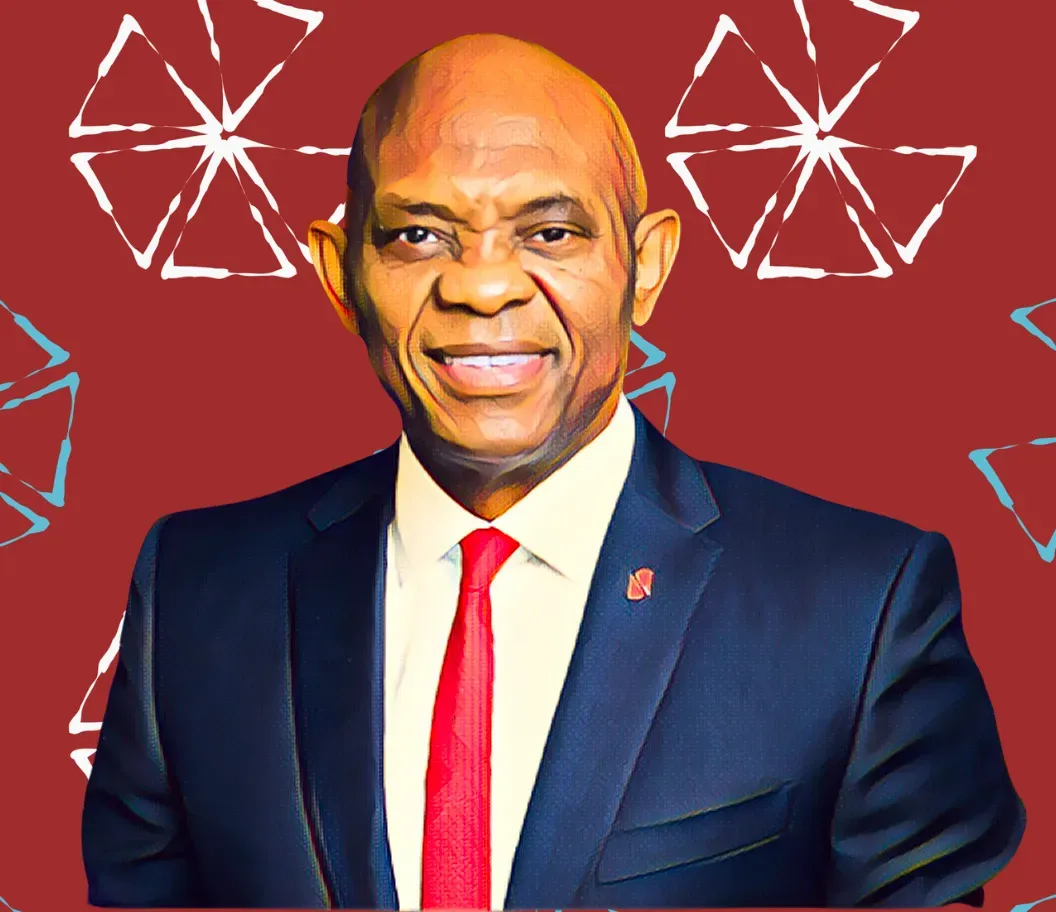
Nigerian billionaire Tony Elumelu has identified four key barriers to Africa’s economic growth: a lack of electricity, the export of unprocessed raw materials, insufficient capital, and weak intra-African trade. Elumelu made these remarks at the 25th annual conference of Women in Management, Business and Public Service (WIMBIZ) in Lagos, where he emphasized the theme, “The Geography of Opportunity: Why the World Needs What Africa Has.”
Elumelu, who is the chairman of Heirs Holdings, stressed the critical need for reliable electricity, stating, “We cannot talk about industrialisation without fixing electricity. Factories cannot run without it.” He highlighted the importance of dependable power and infrastructure to support the development of new industries, particularly in artificial intelligence.
In discussing the continent’s trade practices, he questioned the rationale behind Africa exporting raw materials such as lithium, cocoa, and crude oil instead of processing these goods locally. He noted that less than 20% of Africa’s trade occurs within the continent, despite the establishment of the African Continental Free Trade Area. “It is easier today to ship goods from Lagos to Liverpool than from Lagos to Luanda,” he pointed out.
Elumelu also addressed the issue of capital availability, citing the Tony Elumelu Foundation’s operations. The foundation received 265,529 applications from young entrepreneurs this year, but could only fund 3,200 of them, leaving over 262,000 applicants without support. “This, therefore, is not a shortage of entrepreneurial talent in Africa. It is a shortage of capital,” he remarked.
Founded in 2010 by Elumelu and his wife Awele, the Tony Elumelu Foundation launched its main entrepreneurship program in 2015, which provides selected entrepreneurs with $5,000 in seed capital that does not require repayment. To date, the foundation has distributed more than $100 million to 24,633 entrepreneurs across all 54 African countries. According to the foundation, these businesses have generated around $4.2 billion in revenue and created approximately 1.5 million jobs, with 77.5% continuing to operate after five years.
Each winner is also equipped with business management training through TEFConnect, the foundation’s online platform, where they are matched with mentors. Alumni demonstrating growth can seek additional funding of up to €50,000 ($56,000) through the foundation’s partners. The foundation also hosts the TEF Forum, an annual gathering of entrepreneurs, investors, and African leaders.
This year, the 3,200 entrepreneurs will share about $16 million in funds, with over half being women and 30% hailing from rural areas. Companies within Elumelu’s Heirs Holdings group are sponsoring 1,751 of these entrepreneurs, while others are supported by a variety of partners, including the European Commission and UNICEF.
Additionally, he emphasized the importance of women’s economic leadership, stating, “Women’s economic leadership is not a concession to fairness; it is a requirement for competitiveness.” Aliko Dangote, recognized as Africa’s richest person, also addressed the conference, underscoring the need for Nigeria to invest in more factories instead of relying on trade.
Tony Elumelu built his wealth through banking after leading a group that transformed Crystal Bank into Standard Trust Bank, which merged with United Bank for Africa in 2005. UBA now operates in 20 African nations and internationally in the U.S., U.K., and France. Through his investment company, Heirs Holdings, Elumelu controls various entities including Transcorp, which manages power and hospitality sectors, and Heirs Energies, an oil and gas producer.
