




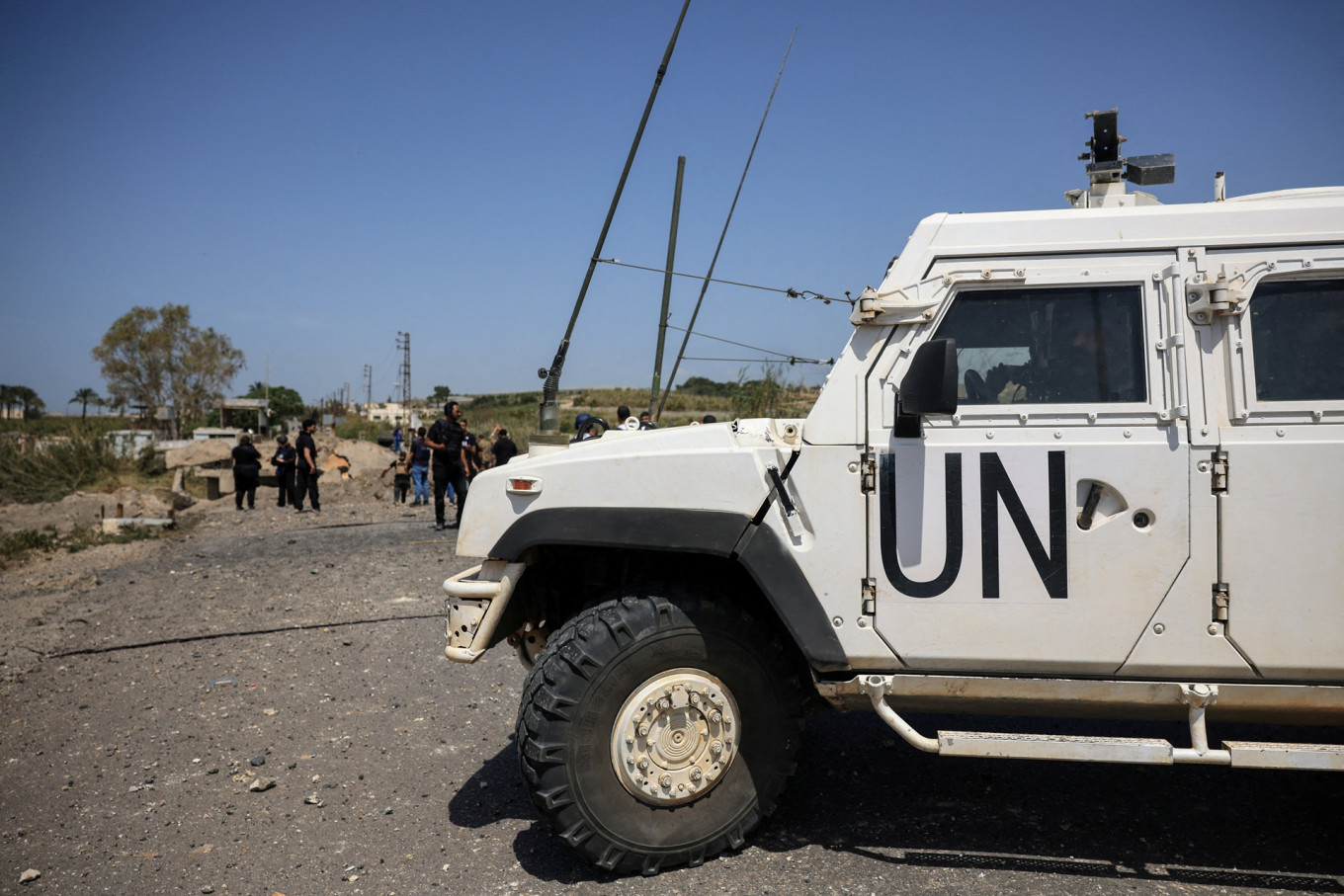
The United Nations peacekeeping force in Lebanon, known as UNIFIL, reported on Tuesday that one of its patrols came under fire in southern Lebanon near Wadi Jilu. The patrol was shot at with approximately a dozen rounds. UNIFIL personnel returned fire, which led to the cessation of shooting. Fortunately, there were no reported casualties from the incident.
UNIFIL issued a statement calling for an investigation into the attack and reiterated the obligation under international law for all parties to ensure the safety and security of UN personnel and property at all times. The force, which has been active in Lebanon since 1978, serves as a buffer between Israel and Lebanon but has struggled to prevent multiple conflicts, including the recent escalation involving Israel and Hezbollah that began in March amid the ongoing tensions in the region.
Despite a fragile ceasefire and ongoing direct talks between Israel and Lebanon, Hezbollah remains adamant about not disarming. Additionally, Israeli military forces continue to occupy parts of southern Lebanon.
Earlier this year, UN Secretary-General Antonio Guterres proposed maintaining a uniformed UN presence in Lebanon, but no definitive steps have been taken regarding this matter. In a move influenced by the United States, the UN Security Council voted last year to extend UNIFIL’s mandate until December 31, 2026. However, Lebanese officials have advocated for an extension beyond that date.
At a recent G7 foreign ministers’ meeting in Paris, French Foreign Minister Jean-Noel Barrot emphasized the importance of avoiding a security vacuum in Lebanon after UNIFIL’s withdrawal. He acknowledged, however, that no consensus has been reached on what would replace the force, which comprises around 7,500 personnel from nearly 50 countries.
Currently, UN peacekeepers are stationed at approximately 50 positions throughout southern Lebanon. Should no alternative UN force be established, these positions would likely be transferred to the Lebanese army. There is concern, however, as many of these sites are located in areas currently occupied by Israeli forces, raising questions about the feasibility of a smooth transition for Lebanese troops.
