




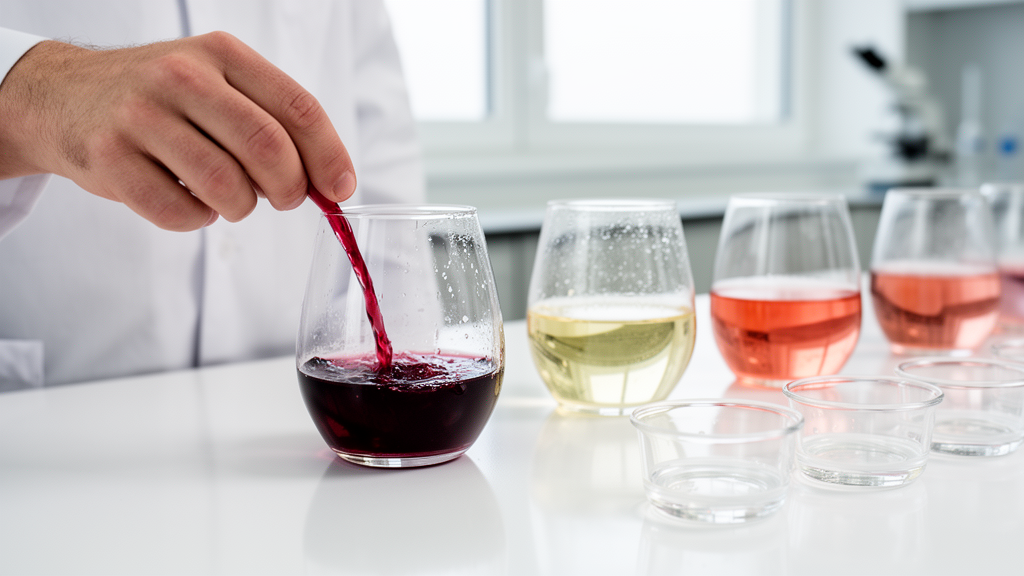
A systematic review published in *Agricultural and Food Economics* has examined consumer behavior and sensory science related to dealcoholized wines, also known as NoLo wines. This comprehensive analysis, led by researchers Caterina Fucile Franceschini, Elisa Giampietri, and Eugenio Pomarici, aims to understand how beverage innovation aligns with changing dietary habits and market expectations.
The review synthesizes peer-reviewed evidence on how consumers perceive, accept, and purchase wines that have undergone partial or total alcohol reduction, defined as containing less than 0.5 percent alcohol by volume, or being partially dealcoholized. Although the process of dealcoholization was patented by oenologist Carl Jung in 1907, these wines have only recently gained commercial traction, driven by a growing trend towards healthier lifestyles, strict drink-driving regulations, and increased grape sugar levels due to climate change.
To ensure a rigorous examination, the authors employed the SPICE framework for systematic record selection, adhering to the Preferred Reporting Items for Systematic Reviews and Meta-Analyses guideline. Their initial literature search, culminating in June 2025, sifted through databases such as Scopus and Web of Science, yielding 171 candidate records. After eliminating duplicates and screening for relevance, the final review included 50 peer-reviewed investigations.
Analysis revealed that research on dealcoholized wines has grown significantly since 2014, with a notable increase since 2023. Geographically, studies are concentrated in 19 countries, with Australia leading in citations. The review also mapped collaboration among 161 authors, highlighting key researchers in the field.
Methodologically, the review found varied approaches among the analyzed studies, with literature reviews comprising the majority. Experimental designs and survey methodologies also made significant contributions. The authors noted that limited use of certain experimental designs hinders an in-depth understanding of consumer behavior in real-world situations.
Technical findings indicated that dealcoholization demands precise techniques to maintain the sensory qualities of wine. While various methods to reduce alcohol levels are available, they can negatively affect aroma and flavor—critical factors influencing consumer acceptance. Notably, research shows that sensory quality outweighs other factors, like packaging design, in purchasing decisions. In controlled settings, consumer tolerance for alcohol reduction varies by grape variety, with significant reductions being acceptable up to certain thresholds.
Consumer perceptions are also significantly influenced by labeling. Research indicates that initial skepticism regarding low-alcohol labels can diminish following taste tests, where unmarked low-alcohol wines perform comparably to standard options in consumer evaluations. Demographics reveal that women, younger adults, and occasional wine drinkers show the greatest receptivity to low-alcohol options, while frequency and knowledge about wine affect preferences for alcohol levels.
The global market for dealcoholized wines exceeded $2.84 billion in 2025 and is expected to reach $7.64 billion by 2035, though regulatory frameworks differ by country. Inconsistencies exist, such as differing alcohol reduction limits in France and Italy, complicating the market landscape. To advance the sector, the authors suggest addressing these regulatory disparities and enhancing behavioral research to better understand consumer decision-making in this evolving market.
