




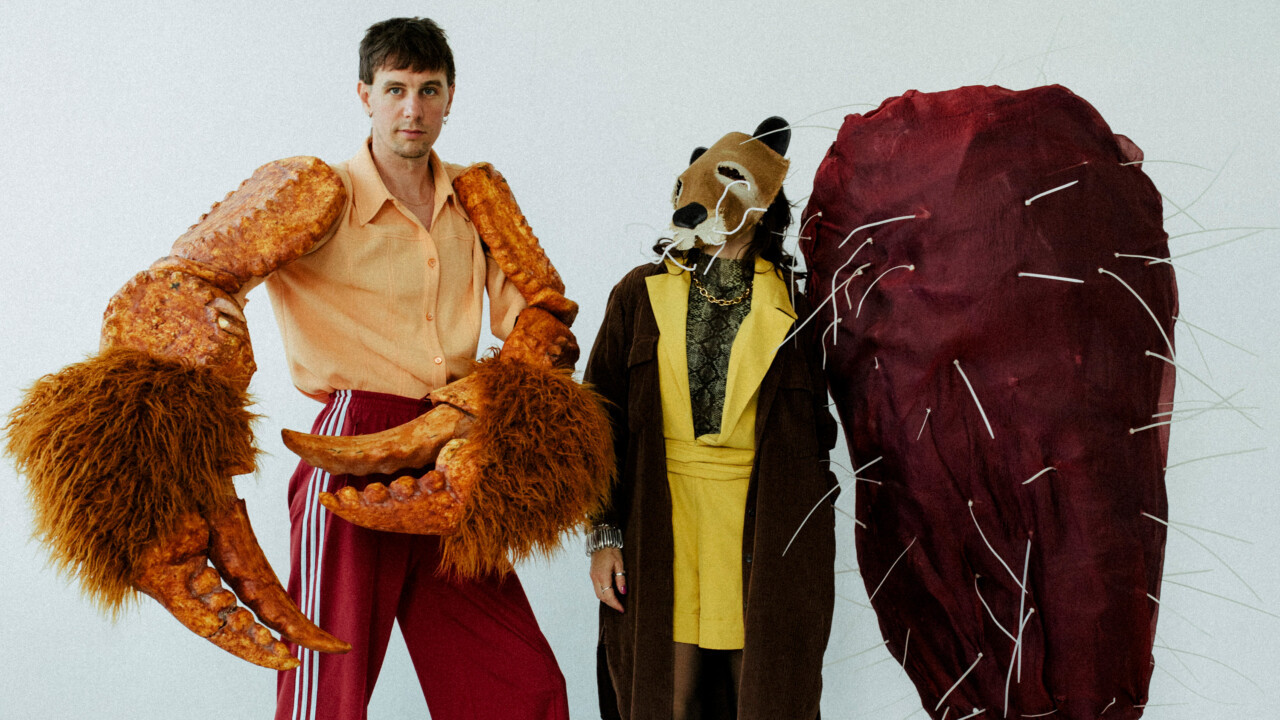
In a unique interspecies council focused on environmental advocacy, a damselfly and a mitten crab have proposed granting legal rights to the species inhabiting the Spree River. This initiative aims to underscore the importance of protecting natural ecosystems.
The discussion also included a proposal from an ide, a river fish that requires flowing water to thrive. The ide highlighted the challenges faced by aquatic species due to man-made canals, which often lack necessary habitats and resting zones. To address these issues, the ide suggested the implementation of “vertical wetlands,” structures designed to foster plant growth and provide essential food and shelter. The intention behind these wetlands is to serve as a temporary solution to support wildlife during critical periods.
However, the feasibility of this proposal was met with skepticism by some council members, including a bacterium that deemed the wetlands a mere “first aid” measure. The ide defended the necessity of the wetlands, emphasizing that immediate action is needed to assist the Spree’s ecosystem.
Participants in the council engaged in thoughtful reflection as they took on the perspectives of their chosen species. One participant, Sonneck, who represented loosestrife, shared insights into her experience. “This is a real dilemma,” she remarked, expressing the challenge of truly understanding and advocating for another species. Sonneck had spent time researching loosestrife’s medicinal uses and its role in folklore, acknowledging the limitations of human interpretation of nature.
The gathering served as a creative exercise, exploring alternative political frameworks and interspecies dialogues. While the decisions made at this council are not legally binding, they aim to spark innovative conversations about environmental governance and the representation of non-human interests.
The outcomes of this experimental initiative may influence future discussions around ecological policies and the rights of natural entities, highlighting the ongoing need for sustainable practices in the face of environmental challenges.
