




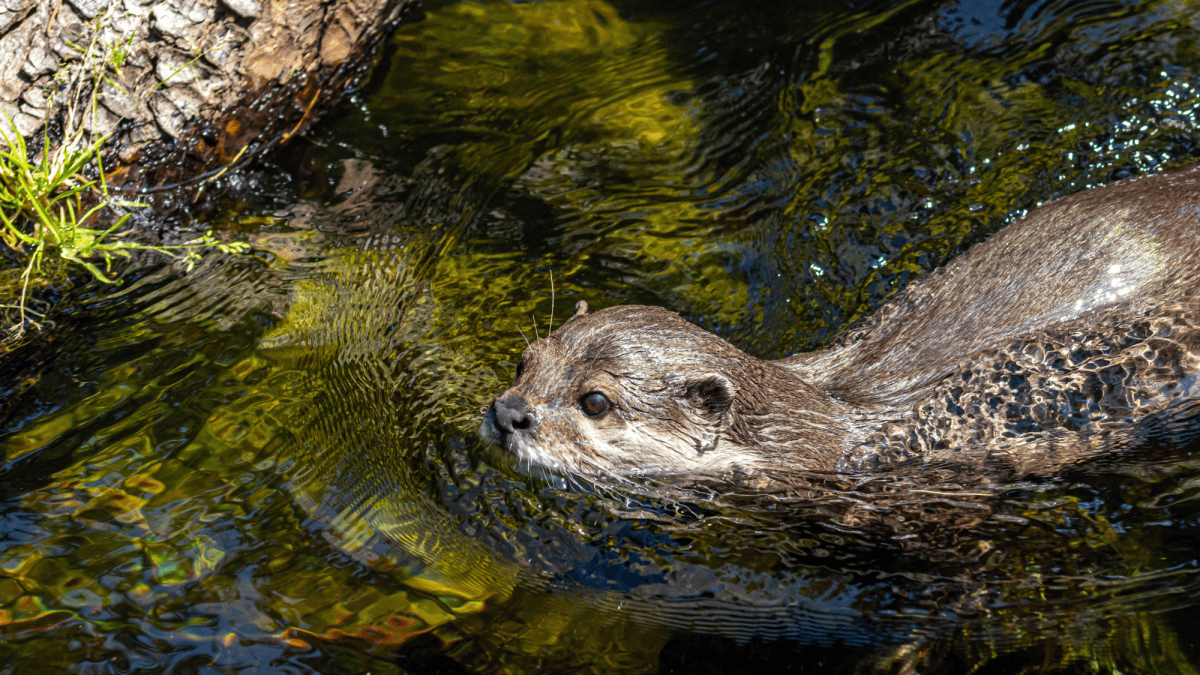
Yosemite National Park is calling for public assistance in monitoring the North American river otter, scientifically known as Lontra canadensis, after these playful mammals have been spotted in the park. Rangers are seeking help from visitors to track otter populations by documenting their sightings, which will aid in understanding the creatures’ movements within the park’s extensive waterways.
Monitoring river otters poses challenges even for experienced rangers and biologists. These animals have a high metabolism, consuming around 15 to 20 percent of their body weight daily. They primarily hunt for fish, crayfish, crabs, frogs, birds’ eggs, and some reptiles, including turtles. In addition, a single otter can travel between five to ten miles along rivers and streams each day, complicating their tracking.
According to the California Department of Fish and Wildlife, river otters range across Northern California, covering all five coastal counties from Oregon to San Francisco Bay, as well as the Sierra Nevada Mountains and large areas of the northern inland valley. Yosemite National Park features over 1,700 miles of streams, providing ample habitat for these animals.

River otter sighting on Yosemite Valley trail cam
Park officials are encouraging the public to report otter sightings by sharing the location, date, and time of any encounters. These reports can be submitted in the comments section of a related Facebook post, or via the park’s contact form. Visitors are also welcome to share videos or photos through direct messages on Instagram.
In a statement, park rangers noted, “Your observations can help us better understand how otters roam and use Yosemite’s waterways.”
While river otters are not currently classified as endangered, they have struggled in the past due to extensive hunting and trapping for their fur during the 19th and 20th centuries. Conservation and reintroduction efforts have allowed populations to recover to a stable status in California. However, otters remain vulnerable to threats such as habitat destruction and water pollution.
