




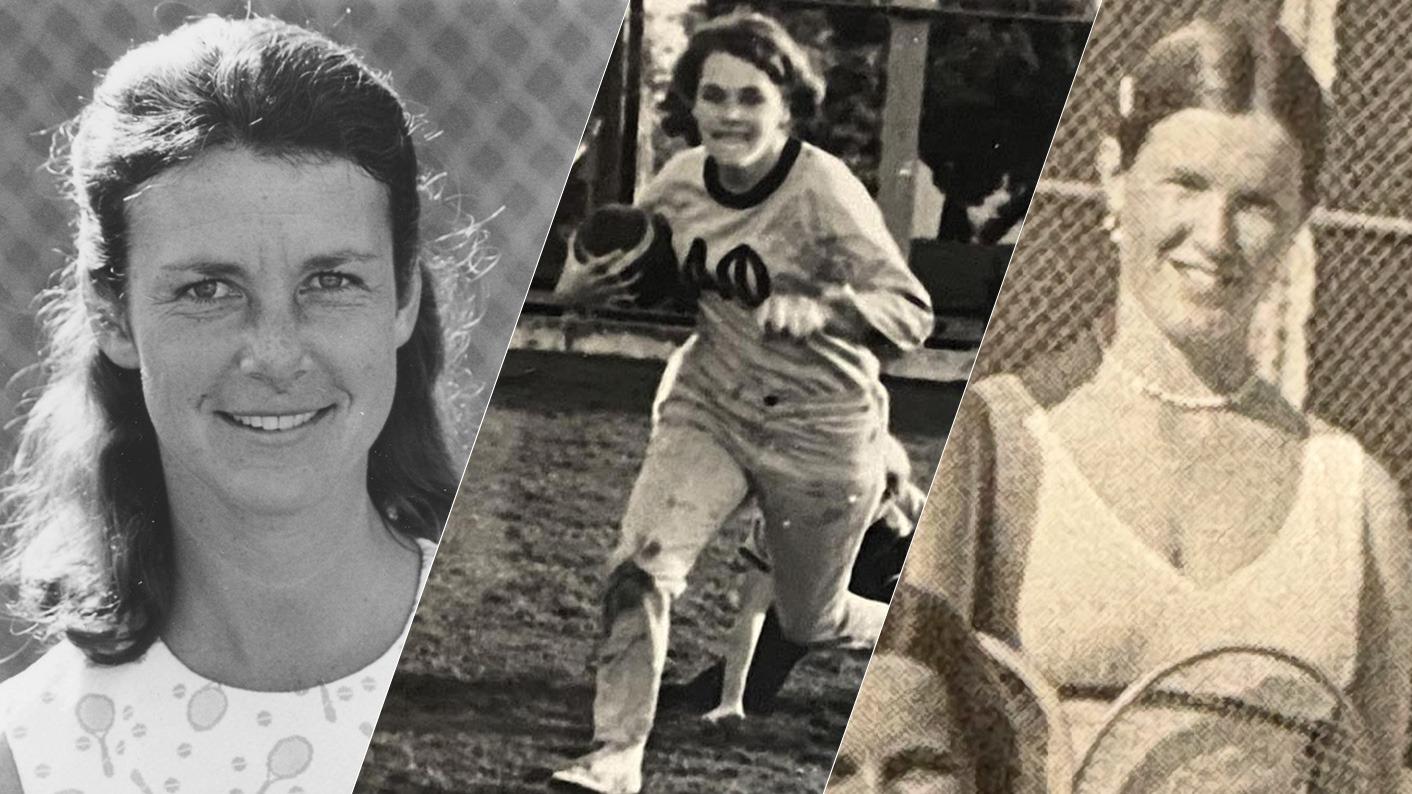
In the early 1970s, women’s athletics at the University of California, Berkeley was characterized by significant challenges, including limited funding, makeshift uniforms, and inadequate facilities. Female athletes navigated these obstacles with resilience and a deep love for their sports, long before the passage of Title IX, which would later transform college athletics.
Title IX, enacted in 1972, prohibits sex-based discrimination in federally funded education programs and significantly increased opportunities for women in sports. However, the foundation of women’s athletics at UC Berkeley did not solely rely on this legislation. Women athletes, such as tennis player Susan Woodward, basketball player Joan Parker, and multi-sport athlete Lynda Brothers, recount a period marked by determination as they campaigned for recognition and resources.
Female athletes faced substantial hurdles in competing, from inadequate funding to non-regulation facilities. Woodward reflected on the era’s resource constraints, recalling how her tennis team hand-sewed their uniforms. They crafted outfits from wraparound skirts paired with collared shirts, reflecting the DIY spirit of that time. Parker noted that her tennis team competed without official uniforms, a stark contrast to the representations of a university sports team.
Recreational facilities were also lacking. Parker described playing basketball in Hearst Gym, where safety was a concern due to the proximity of walls to the court. While volleyball players contended with low ceilings, tennis players practiced on non-regulation courts, which required strategic adjustments during play. “There were nuances like that,” Woodward explained, highlighting the need for adaptation in order to compete effectively.
Travel for competitions often involved local trips in rented cars, a departure from the dedicated team transportation available today. Woodward recounted a time when her team rented a vehicle to reach UC Davis, and Parker shared a memorable trip to the University of Nevada that resulted in spending a night together in a cabin after encountering a snowstorm. These experiences fostered camaraderie among the athletes, who accepted these conditions as part of their reality.
Despite the structural inequalities, the women emphasized their intrinsic motivation to compete. Parker noted that they sought funding from student government, often enduring late-night meetings to secure financial support. Fundraising efforts, like a tennis demonstration featuring Billie Jean King organized by Parker, were crucial for sustaining their teams.
Although the lack of resources was evident, both Woodward and Parker expressed gratitude for the opportunity to compete. “We understood that there were differences between the men’s and women’s programs,” Parker said. “But I always felt grateful that we could do this.” Their experiences drove them to advocate for better conditions and propel future generations of female athletes.
Woodward, Parker, and Brothers’ reflections underscore the dedication and passion of those early athletes who overcame numerous barriers. Their commitment laid the groundwork for the vibrant women’s athletics program that exists at UC Berkeley today, emphasizing the importance of recognizing these foundational stories in the ongoing journey toward equity in sports.
Looking ahead, there is a continued commitment to improve opportunities for female athletes, as the influence of Title IX and the advocacy of prior generations have propelled significant advancements.
