




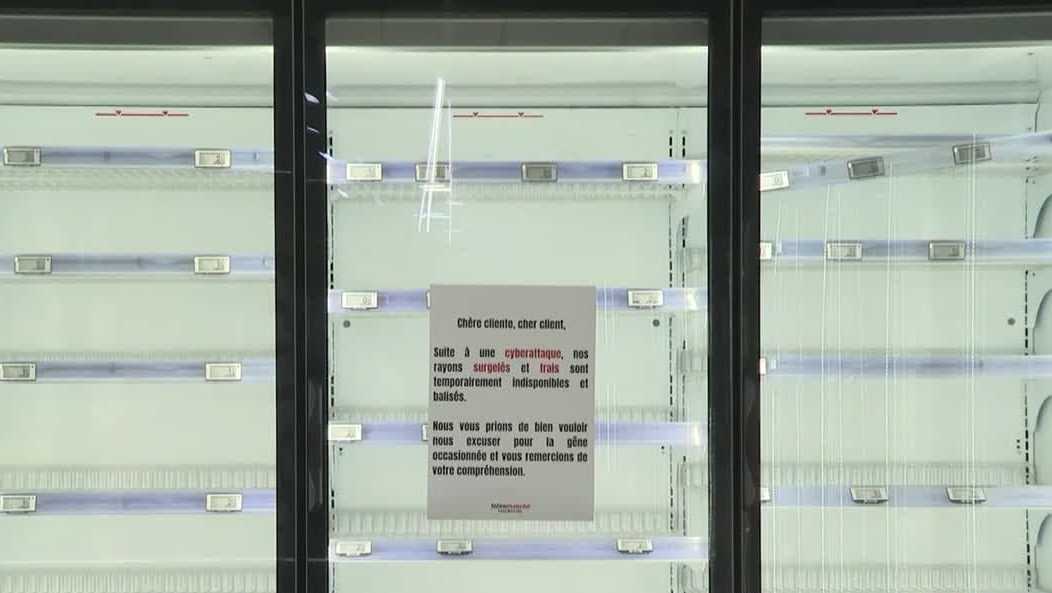
A cyberattack over the weekend disrupted refrigeration systems at approximately 700 grocery stores across Europe, resulting in significant food spoilage and raising concerns about potential similar threats in the United States.
The affected supermarkets are located in France, Spain, Portugal, Poland, and Germany. Hackers manipulated the refrigeration units by activating their defrost cycles, rendering all food within those display cases unsellable. As of now, no group or individual has claimed responsibility for the attack or demanded a ransom, leaving authorities puzzled over the incident.
Cybersecurity expert Nick Paulukow noted that these refrigeration systems are typically controlled by devices that connect to the internet. He explained, “These refrigeration units are mechanical devices that monitor performance, temperature, and utilization,” emphasizing the vulnerability attached to online accessibility. Paulukow further stated that such cyberattacks are a risk not just in supermarkets but also for modern home appliances connected to the internet, highlighting the implications of internet-connected devices.
Earlier this year, a cybersecurity incident involving the parent company of Giant supermarkets was reported in the Susquehanna Valley. While there are no confirmed links between that incident and the recent European attack, the timing raises concern among cybersecurity experts.
As investigations continue, officials and cybersecurity professionals will likely examine preventive measures to protect both commercial and residential systems from similar breaches in the future.
