




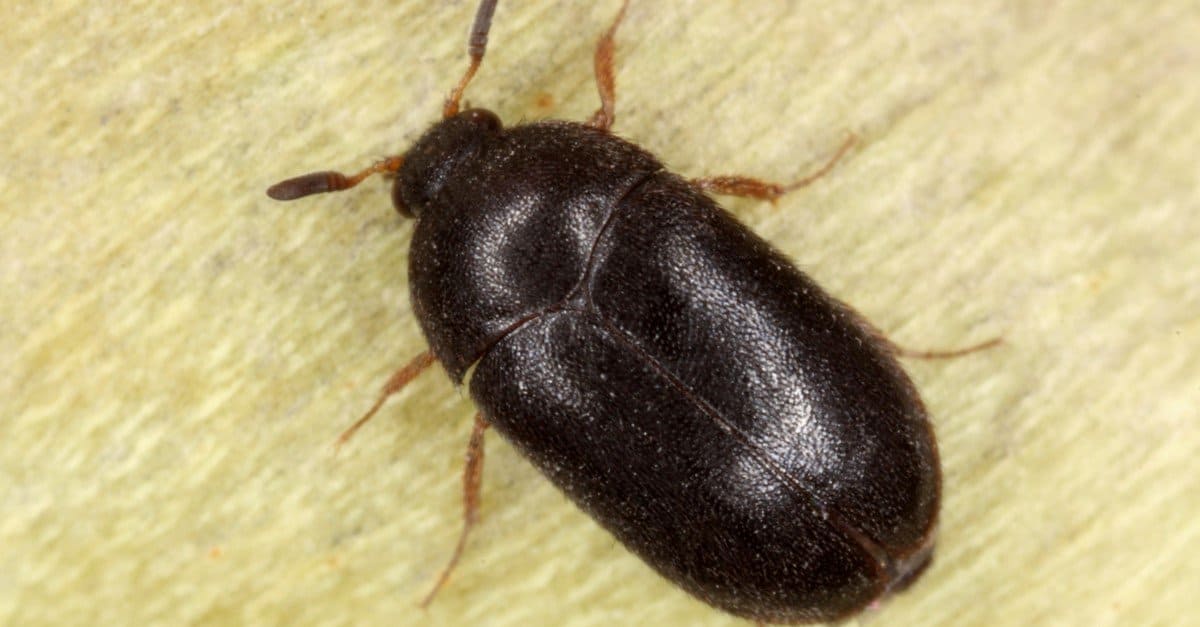
A newly identified species of click beetle, Lissomus arawak, has been discovered in the cloud forests of the Dominican Republic, contributing to the understanding of the region’s biodiversity. Researchers believe the find could reshape existing theories regarding how species invaded and settled in the Caribbean islands.
The tiny beetle, characterized by its glossy black body and pale-yellow antennal segments, was uncovered during a biodiversity cataloging initiative that has been underway since 2021. The initiative, led by researchers including Jiri Hodecek and Jiri Pirkl, aims to document the rich insect life that the Dominican Republic harbors but remains largely undocumented.
Field studies conducted at multiple locations revealed that the beetles were collected from cloud forest and montane broadleaf habitats at elevations between 600 and 700 meters, particularly near the Sierra de Bahoruco and the Cordillera Septentrional. This discovery marks the third species of the Lissomus genus identified on the island, indicating that there is still much to learn about the island’s insect diversity.
Interestingly, L. arawak shares structural similarities with beetle species found in Central and Northern South America, suggesting the possibility of two separate colonization events in the Greater Antilles. Although the researchers emphasize that this idea remains a hypothesis, it raises intriguing questions about the historical migration patterns of these species.
All five specimens of L. arawak collected between 1985 and 2024 were female, and the researchers expressed confidence in the unique characteristics that distinguish this species. “With such a small sample, chance and the opportunistic nature of the collecting are probably the simplest explanation [and do] not seriously weaken our confidence that L. arawak is distinct,” they stated.
The naming of the beetle pays homage to the indigenous Arawak people, with researchers stating, “We wanted the name of this distinctive endemic species to connect the biological history of the island with its human history.”
Research teams have estimated that at least 15 more click beetle species may still await discovery in the Dominican Republic, highlighting the urgent need to document the island’s insect population amid ongoing habitat changes and land-use alterations.
As efforts continue to catalog the burgeoning biodiversity of the Caribbean, scientists aim to ensure that these species are recognized before potential extinctions occur due to environmental changes.
