




The European Commission is set to introduce new climate regulations aimed at clarifying the responsibilities of EU member states in addressing climate emergencies, according to Climate Action Commissioner Wopke Hoekstra. The announcement is scheduled for Tuesday, as the Commission emphasizes the need for preparations in light of increasingly severe weather patterns projected due to global warming.
Hoekstra noted that Europe may face a temperature increase of 3°C by 2100, affecting the continent more severely than the global average. He expressed concerns about a potential temporary or prolonged overshoot of the Paris Agreement’s 1.5°C limit, highlighting the crucial need for governments to prepare for heightened climate risks even with ongoing emission reduction efforts.
“It is up to member states to decide where they want to put that responsibility,” Hoekstra said, specifying that the new rules will require countries to appoint and define who will handle climate disaster preparedness.
The economic ramifications of adapting to a warmer climate are becoming increasingly apparent. Hoekstra estimated this summer’s severe weather caused damages exceeding €100 billion, raising urgency for action. He pointed to the need for urban heat management plans and infrastructure built to withstand future climate challenges rather than relying on past conditions.
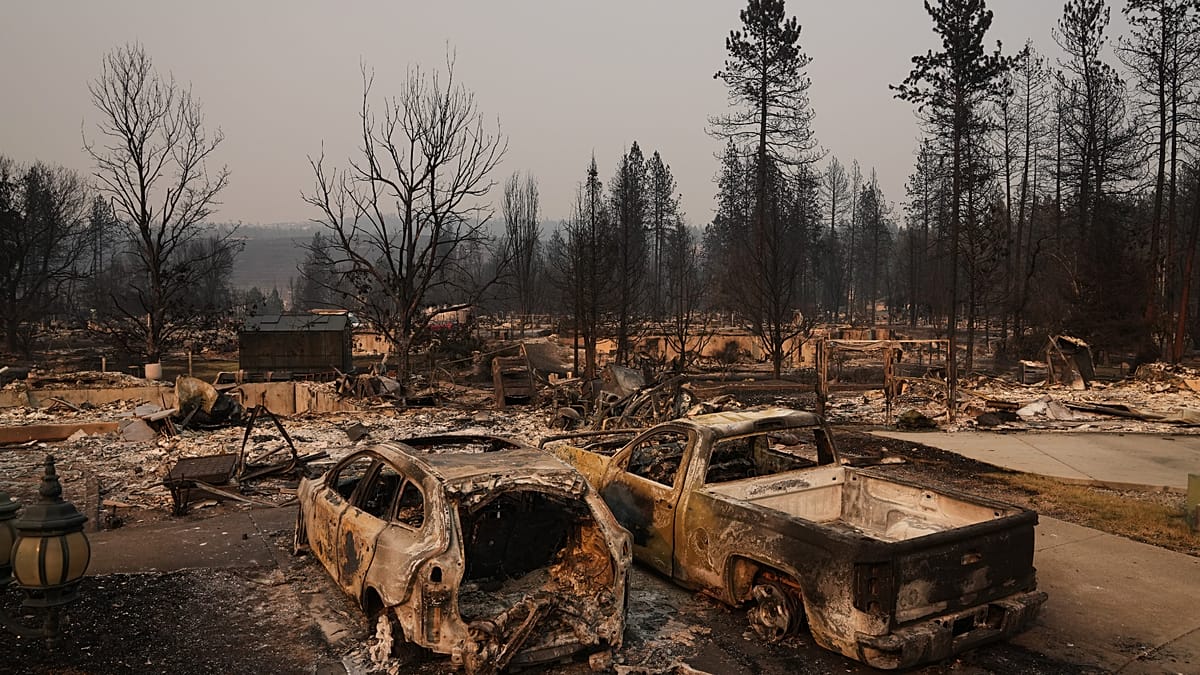
The anticipated legislation will obligate EU nations to identify which authorities—be they national, regional, or local—are responsible for climate disaster preparedness. This measure aims to mitigate jurisdictional disputes when disasters occur, ensuring accountability in the face of climate events like floods and wildfires.
The Commission is advocating for the integration of climate scenarios into planning for new infrastructure such as roads, bridges, and residential areas. A senior Commission official highlighted the desire to foster a culture of proactive design to enhance resilience rather than merely respond to damages post-disaster.
Funding Concerns
Despite the urgency for adaptation strategies, financial support for necessary improvements remains ambiguous. No new funding commitments for household support are expected from the Commission’s climate resilience plan, which raises concerns about affordability for ordinary citizens. Hoekstra referenced a proposal to allocate 35% of the EU budget to climate initiatives, but emphasized that its success hinges on ongoing negotiations regarding the next multiannual budget, where climate funding competes with other priorities.
The European Investment Bank recently announced a €30 billion commitment for climate adaptation through 2030, yet the absence of additional financial resources poses a potential vulnerability to the Commission’s climate strategy. Hoekstra emphasized the importance of preventive investment but did not unveil any initiatives to assist lower-income households in making necessary adaptations.
In addressing the issue of underinsurance against climate impacts—where only around 25% of assets in vulnerable areas are insured—Hoekstra noted this as a significant area for examination. The Commission plans to engage with the insurance sector to address these deficiencies as part of its broader climate resilience efforts.
