




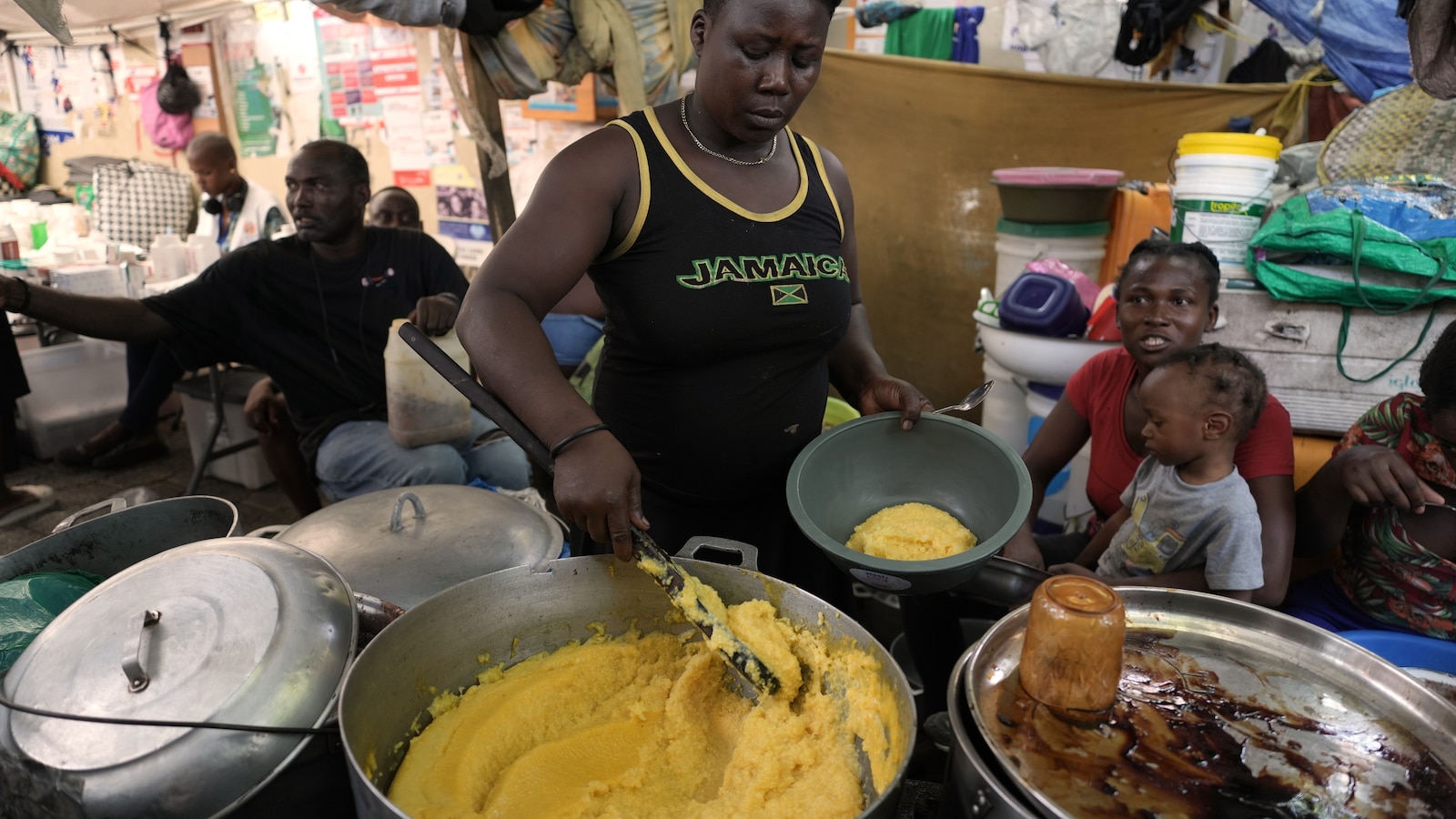
SAN JUAN, Puerto Rico — A new report reveals that nearly six million people in Haiti are currently facing severe hunger, with almost two million of those individuals in emergency conditions. The findings, released Wednesday, highlight the escalating humanitarian crisis impacting the Caribbean nation of approximately 12 million residents.
The United Nations Food and Agriculture Organization attributes this worsening situation to increasing gang violence, high food and fuel prices, and the effects of an extreme El Niño weather phenomenon that threatens food security. According to the organization, this level of acute food insecurity in Haiti is one of the highest reported globally, with more than half of the population struggling to meet daily nutritional needs.
A recent analysis by the Integrated Food Security Phase Classification projects that the number of individuals suffering from severe hunger could rise to 6.35 million by mid-2027, surpassing half of Haiti’s population. This marks an increase of nearly 250,000 people experiencing severe hunger since a similar report was issued in April.
“The numbers are really, really alarming in comparison with other years,” said Maxime Ngalula, country director for Action Against Hunger in Haiti. Many individuals facing acute food shortages are living in makeshift shelters and vulnerable communities besieged by heavily armed gangs, who often block access to essential roads and services.
Widespread gang violence has compounded the food crisis, as it forces farmers off their lands and limits transportation routes necessary for the delivery of goods to regions like Port-au-Prince. Dismantling such barriers can take days, and families sometimes travel long distances to find food distribution points due to access limitations.
“It’s not easy to serve them all,” Ngalula remarked, noting the challenges posed by ongoing gang activity. His organization provides cash and food assistance, but the situation remains dire for many, especially those who have become homeless due to violence.
Historically, Haiti has faced food insecurity challenges; however, levels of hunger have soared since a devastating hurricane in 2016 and a subsequent surge in gang violence. In stark contrast, only 2% of the population was food insecure back in 2014.
The World Food Program reported that it requires $78 million to maintain operations in Haiti through March. The report issued Wednesday emphasized that “humanitarian assistance should be urgently scaled up to meet immediate needs.”
Additionally, the level of violence has escalated in the capital, particularly following the disappearance of four Salvadoran aviation technicians during an attack on October 18 in Port-au-Prince. In response, El Salvador has deployed over 1,000 soldiers to Haiti.
“We are very concerned about this surge in violence in densely populated neighborhoods of the capital,” stated Davina Hayles, head of mission for Doctors Without Borders in Haiti. She expressed fears that the escalating armed conflict could lead to additional victims and increased displacement in the coming days.
