




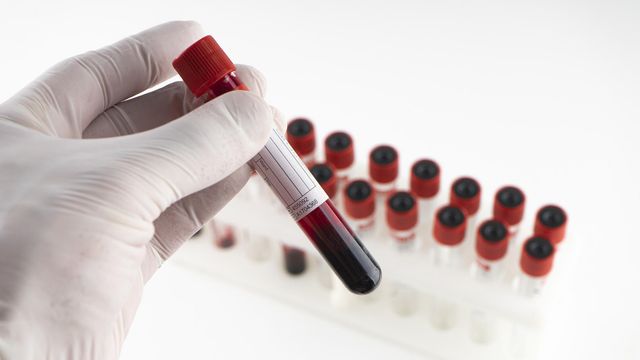
Researchers at Northwestern Medicine have developed a new liquid biopsy technique that can accurately assess cancer burden and determine molecular characteristics specific to small cell lung cancer (SCLC). This innovative approach was detailed in a recent study published in the Journal of Clinical Investigation.
Senior author Dr. Anish Thomas, a professor in the Division of Hematology and Oncology, noted that while SCLC has traditionally been viewed as a uniform disease, significant biological differences among tumors have emerged. “Understanding these differences is essential to developing more effective treatments,” he stated.
Small cell lung cancer accounts for approximately 15 percent of all lung cancer cases, according to the Centers for Disease Control and Prevention. The cancer is characterized by its quick progression and low survival rates. Despite identifying molecular subtypes with distinct biological features, obtaining sufficient tumor tissue for testing poses a continual challenge in clinical settings.
In collaboration with Dr. Nir Friedman and his team at the Hebrew University of Jerusalem, researchers utilized a method called cell-free chromatin immunoprecipitation sequencing (cfChIP-seq). Their findings indicated that cfChIP-seq can identify critical gene expression features in SCLC using as little as 1 milliliter of blood.
The study analyzed 441 plasma samples from SCLC patients, other cancer patients, and healthy individuals. The researchers found that the blood-based data aligned closely with results from tumor samples, demonstrating that cfChIP-seq can effectively gauge tumor burden, monitor cancer progression, and identify SCLC molecular subtypes without the need for repeated invasive biopsies.
Dr. Thomas highlighted the complexity of SCLC, noting that traditional liquid biopsy techniques primarily detect DNA mutations, whereas SCLC’s significant biological variations stem from gene expression differences. These variations not only define the disease’s molecular subtypes but could also unveil potential treatment vulnerabilities.
The cfChIP-seq method diverges from conventional liquid biopsies by analyzing DNA fragments and proteins released by dying tumor cells into the bloodstream. This allows researchers to identify which genes are active within tumor cells.
According to the study, the blood-based SCLC score displayed a strong correlation with tumor imaging results, reinforcing its validity and potential clinical application. Dr. Thomas emphasized that their access to matched blood and tumor samples was a key strength of the study, facilitating the validation of blood measurements against tumor gene expression.
The implications of this research are significant for clinical practice, especially for patients with recurrent SCLC, who may not be able to undergo frequent biopsies due to the fast nature of the disease’s progression. Dr. Thomas suggested that a blood test offering insights into tumor burden and molecular identity could aid clinicians in monitoring treatment responses and adapting care strategies as tumor biology evolves.
While these results are promising, Dr. Thomas indicated that larger prospective studies are necessary before implementing this technology in standard clinical protocols. Future research aims to assess patients during treatment to determine if blood-based molecular signatures can predict responses and resistance.
“Our hope is that approaches like this will help bring precision medicine to SCLC, where it has been particularly challenging,” Dr. Thomas concluded.
