




Malaysia’s recent broadcast of the inaugural Eurovision Song Contest Asia on November 14 was notable for the censorship of non-binary host Vice Ganda from the Philippines. During the event, Vice Ganda, who is a prominent comedian, singer, and LGBTQ+ advocate, was edited out of the Malaysian broadcast, with only the logo of the show remaining in the segment where the host would have appeared.
The Eurovision Song Contest Asia took place in Bangkok and featured eleven participating countries: Bangladesh, Bhutan, Cambodia, Laos, Malaysia, Mongolia, Nepal, the Philippines, South Korea, Thailand, and Vietnam. Each country performed and presented their jury votes via video link in a format resembling the traditional Eurovision Song Contest.
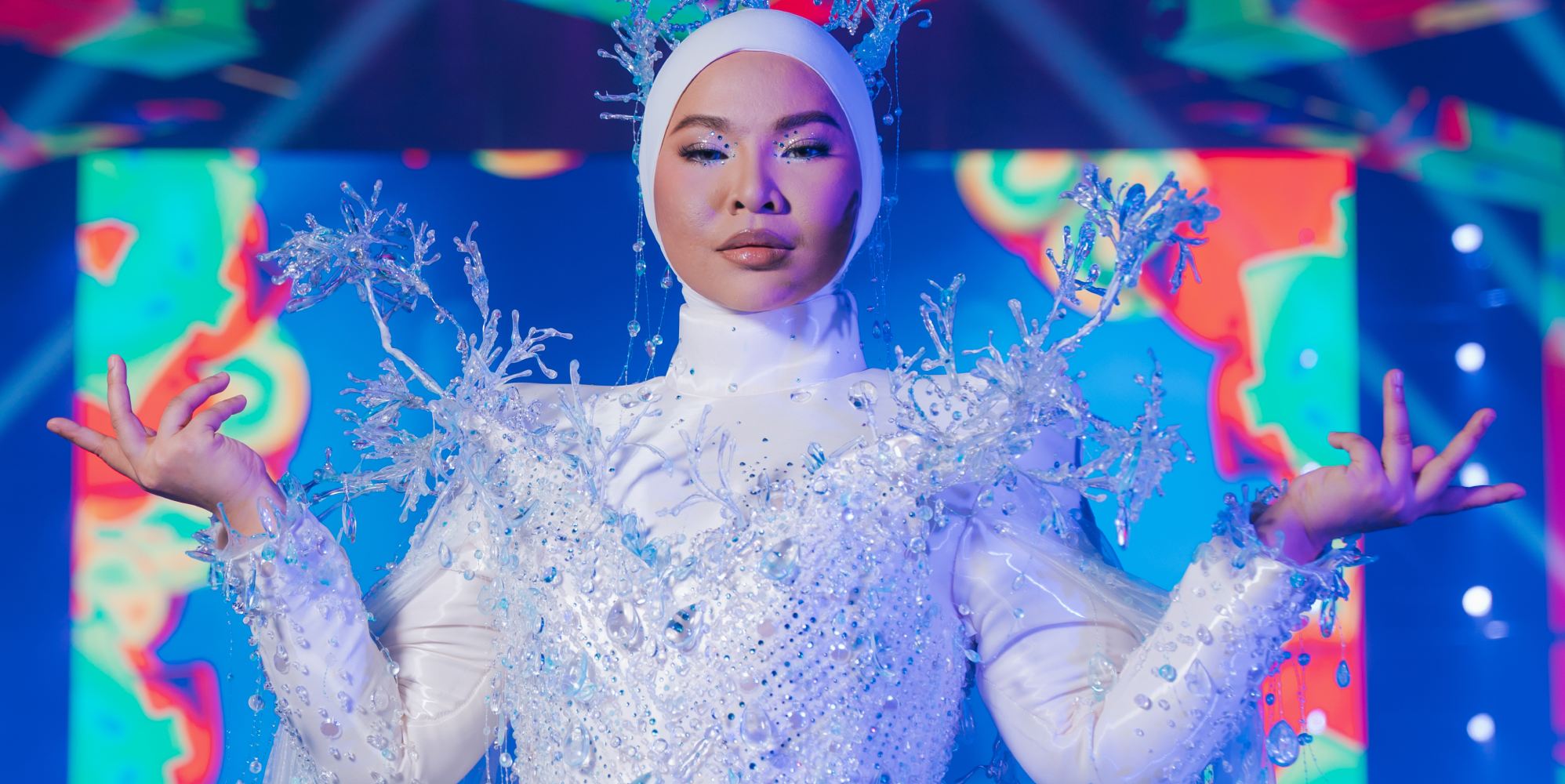
During the live event, Vice Ganda made a striking appearance in an elaborate feminine costume as he announced the Philippines’ jury votes. However, the Malaysian audience did not see this, raising concerns about the treatment of LGBTQ+ representation in the country.
LGBTQ+ rights in Malaysia
Malaysia holds strict laws concerning LGBTQ+ individuals, with gay sex criminalized under the Penal Code, punishable by up to 20 years in prison and whipping. In June, the Malaysian government announced plans to replace references to “LGBT” with the Malay term “budaya songang,” meaning “deviant culture.” Furthermore, the distribution of LGBTQ+ materials is prohibited under morality guidelines.
Transgender individuals face the risk of arrest for “public indecency,” and Muslims may encounter additional legal challenges for “impersonating” women under State Shariah law.
The competition concluded with Carmelle from the Philippines winning the contest with her performance of “Sobra-Sobra,” garnering both the jury score of 93 points and an audience score of 118 points. Host country Thailand claimed second place with “Aroma,” and Vietnam took third with “Em Tiên.” Malaysia’s entry, Aina Abdul with “Blueset Sky,” finished in fourth place.
In a departure from traditional practices, the host for the potential return of Eurovision Asia in 2027 will be determined through a bidding process rather than automatically awarded to the winning country.
This event brings to light ongoing challenges and complexities surrounding LGBTQ+ representation and rights in Malaysia.
