




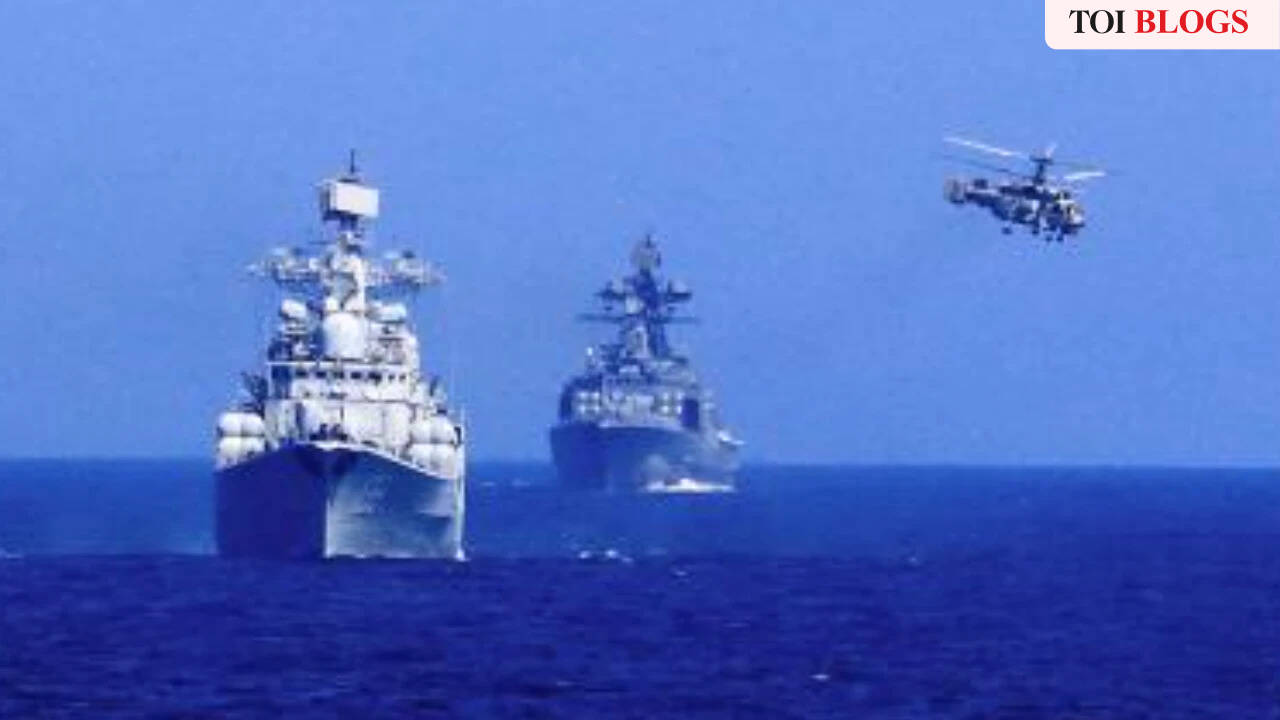
China is intensifying its military and strategic presence in Southeast Asia, marked by significant developments in infrastructure and military installations within the region. Notable transformations include the construction of Antelope Reef into a large artificial island, which spans 1,500 acres and features a deep-water port capable of hosting warships.
Recent satellite imagery indicates that Antelope Reef measures nearly six kilometers in length and has a coastal line exceeding three kilometers, which could potentially serve as a runway. Construction reportedly began in late 2025, and the initial phase has already been completed. Located south of Sanya Port and the Yulin Naval Base on Hainan Island, the reef is positioned strategically close to China’s military assets, including two of the People’s Liberation Army Navy’s aircraft carriers.
China asserts that the infrastructure will primarily monitor weather conditions, but analysts suggest its military implications are evident. This new base, set to become Beijing’s eighth military outpost in the South China Sea, will enhance China’s logistical and surveillance capabilities throughout the region. Vietnam has opposed these developments, labeling them “illegal and invalid” as they encroach on its claimed territories.
In addition to the reef project, China is developing a semi-submersible, twin-hull floating research platform. Designed to support up to 238 occupants for four months without resupply, the platform will serve both scientific and military functions, including oceanographic research and underwater surveillance. It is equipped with advanced technology to endure extreme conditions and may operate as a mobile logistics hub or radar outpost in contested waters.
Another noteworthy venture is the establishment of a joint military facility in Laos at Ben Keun airport, China’s first military site abroad in the air domain. While its specific functions remain unclear, this outpost could provide China with strategic air routes to access disputed areas in the South China Sea and surrounding regions.
The timing of these developments coincides with a decrease in U.S. influence in Southeast Asia, following the country’s involvement in conflicts elsewhere. Observers note that China has historically taken advantage of such geopolitical shifts.
Experts highlight five key strategies underlying China’s actions: the enhancement of artificial islands in the South China Sea; the establishment of military outposts in neighboring countries; strategic air power maneuvers; potential military uses disguised as research; and the broader aim to extend dominance from the South China Sea to the Indian Ocean.
In response to these changes, Southeast Asian nations are urged to develop a unified strategy to confront China’s territorial expansion. A cohesive ASEAN approach, grounded in unity and adherence to international law, is essential for preventing further alterations to the regional balance of power.
As the region navigates these challenges, international frameworks such as the UNCLOS and related treaties may provide pathways to address disputes and maintain a rules-based order. A collective effort is deemed necessary to foster stability and peace in the Indo-Pacific.
