




European officials have expressed strong opposition to efforts by U.S. President Donald Trump to negotiate a new security framework with Russia as part of a potential peace deal regarding Ukraine. Trump recently suggested that a “big agreement” with Moscow could encompass all of Europe.
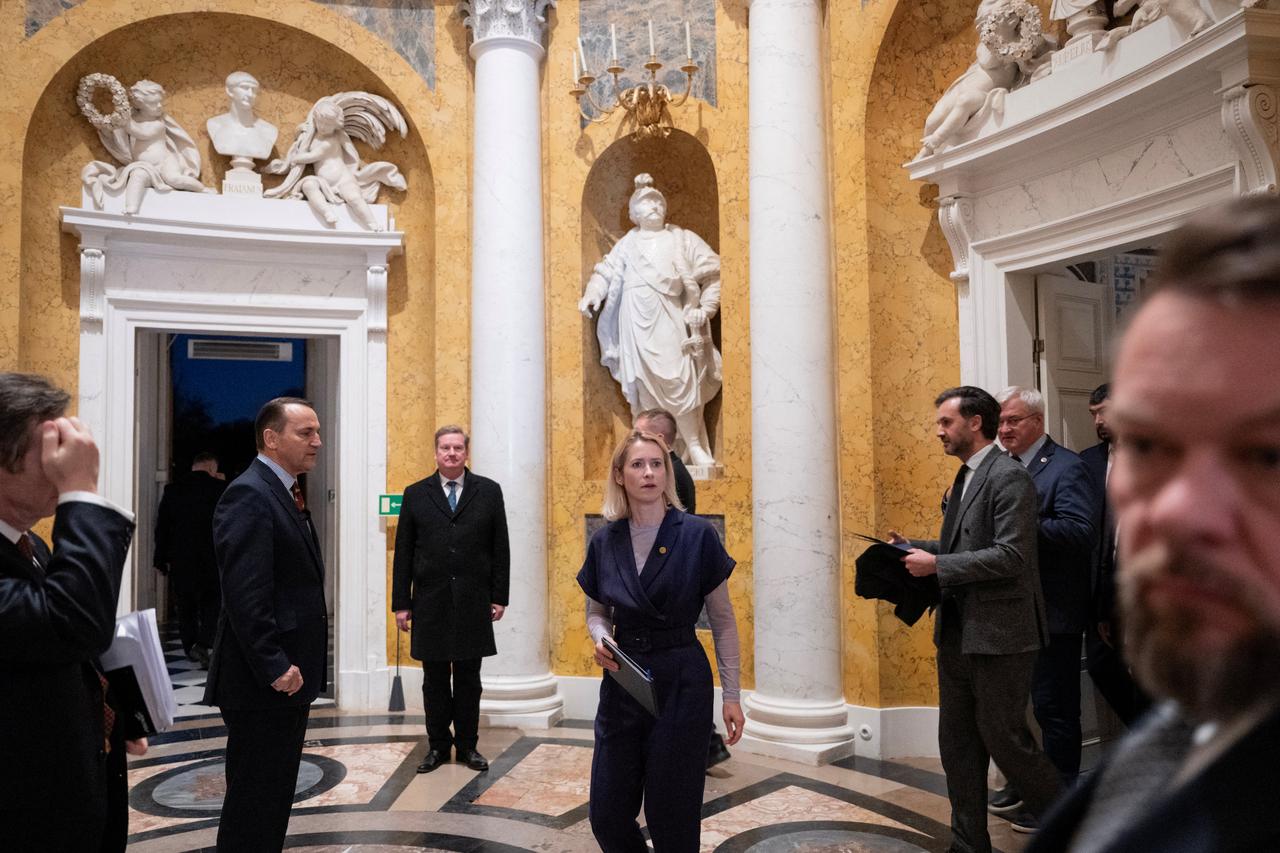
Kaja Kallas, the European Union’s foreign policy chief, stated in Warsaw, “We already have a European security architecture in place.” She emphasized that the ongoing issues stem from Russia’s violations of existing treaties, and noted, “NATO posed no threat to Russia in 2021, and it poses no threat to Russia at the moment. Putin does not have a veto over European security.” Kallas insisted that any agreement must involve the European Union.
European Security Concerns
Polish Foreign Minister Radoslaw Sikorski remarked that any negotiations regarding the future of Ukraine and broader European security must include EU nations, stating that discussions conducted “above our heads would not just be unwise. It is actually impossible.”
Ukrainian Foreign Minister Andrii Sybiha remarked that Moscow cannot serve as a security guarantor for Europe, stressing the importance of focusing on self-protection against Russian actions rather than discussing spheres of influence. A spokesperson for the European Commission encapsulated the sentiment by stating, “It’s up to the European Union to decide on matters that affect its security.”
One European official, discussing Jared Kushner’s recent comments, called them a “complete surprise,” indicating that no simultaneous negotiations on European security would occur until the war in Ukraine concludes. This official confirmed that discussions regarding NATO’s future were absent and highlighted the consensus against reducing NATO’s presence in Europe.
Trump has been engaging with Russian representatives, recently meeting with envoy Kirill Dmitriev at the White House. Following this meeting, Trump stated, “It’s going to be a big, beautiful agreement, and everyone’s going to be thrilled.” He also noted that he consistently raises concerns about Russian attacks on civilians during such discussions.
Kushner, who represented the U.S. in meetings with European and NATO partners, outlined five primary goals aimed at enhancing European security and listed arrangements to address security concerns of all involved nations. He stressed the importance of respecting the sovereignty and territorial integrity of all countries and confirmed that NATO would remain central to European defense efforts.
Upcoming U.S.-mediated talks between Russian and Ukrainian negotiators are scheduled for November 10-11 in Abu Dhabi. However, some participants involved in back-channel discussions indicated that a substantial ceasefire agreement seems unlikely due to ongoing Russian military strategies.
Kremlin spokesman Dmitry Peskov expressed a favorable view of the recent White House meeting but noted that Russia has yet to receive formal European proposals regarding security guarantees, criticizing the EU for its indecisiveness. Upcoming discussions among EU leaders aim to establish a more unified approach ahead of a summit next week.
