




Europe has heightened its security measures in the wake of a series of cyberattacks and bomb threats, resulting in significant disruptions across multiple sectors. The recent incidents have led to estimated losses in the tens of millions of euros.
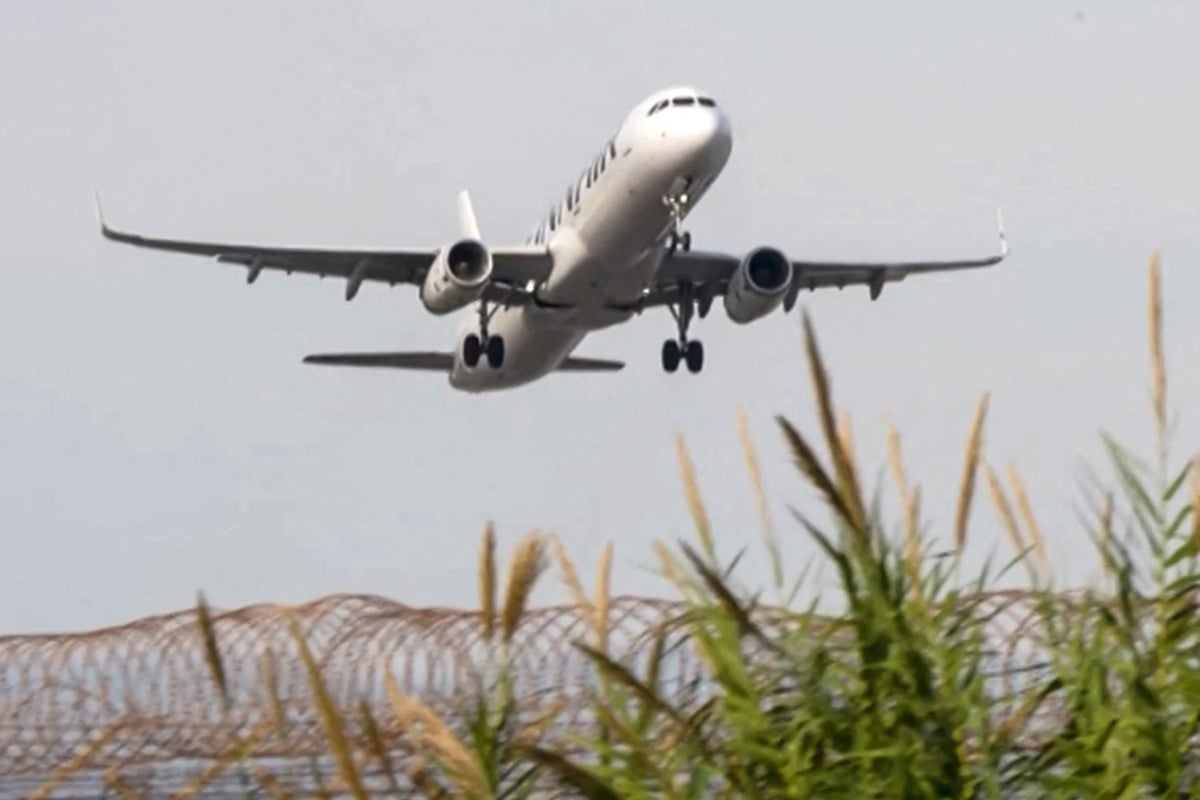
Flight operations were greatly affected as bomb threats forced diversions and partial shutdowns at airports, involving explosives disposal teams and sniffer dogs searching aircraft on three separate occasions this week. Airlines operating flights to and from the UK, Belgium, Ireland, Italy, Finland, Bulgaria, Spain, and Denmark reported disruptions but managed to resolve most issues by the end of each day.
Additionally, hackers targeted freezer systems in supermarkets across Europe, causing food spoilage. Reports indicate that internal temperatures in refrigerators rose dramatically, leading to the discarding of substantial amounts of perishable goods. Russian hacktivists have claimed responsibility for these attacks, which impacted retailers in multiple countries, including Belgium, Luxembourg, Sweden, Germany, and Italy. Some firms like Carrefour and IKEA were among those affected.
In France, a cyberattack on blood banks damaged cold storage and control systems, although health officials noted that the safety of blood supplies was preserved due to monitoring and alarm systems. The French Health Ministry announced the cybersecurity incident, highlighting that no blood products were harmed and that investigations are ongoing to determine the extent of the issue.
The week’s events have raised concerns regarding hybrid warfare tactics. Jesper Frederiksen, CEO of cybersecurity firm Heimdal, pointed out that these events have characteristics of sabotage aimed at causing psychological and political disruption rather than financial gain. “There’s no money in this, so the payoff is psychological and political,” Frederiksen explained.
Experts believe that state actors may be using third-party groups to carry out these attacks while maintaining plausible deniability. Incidents of this nature fall within a broader pattern of low-cost, highly visible disruptions designed to undermine public confidence in civil institutions, according to cybersecurity professionals.
As authorities continue to assess the situation, Richard Horne of the UK’s National Cyber Security Centre warned that the recent cyberattacks represent only a small fraction of the vulnerabilities present, highlighting ongoing threats from actors linked to Russia and Iran.
In a separate series of events, newsrooms in Ireland and Bulgaria received bomb threats attributed to an anonymous group, which claimed responsibility for the widespread hallmarks of disruption. These threats were accompanied by chilling messages indicating a future wave of attacks on transport infrastructure across Europe. Authorities have yet to determine the origin of these emails, and all threats prompted necessary security measures.
The European Union remains vigilant as investigations continue into the frequency and coordination of these events, underscoring the complex security landscape prompted by ongoing geopolitical tensions.
