




SAN JUAN, Puerto Rico — Haiti’s Provisional Electoral Council has announced that candidates will no longer be required to demonstrate that their assets are free from foreign sanctions to run in upcoming elections. This decision is part of a broader effort to facilitate the long-delayed electoral process, although candidates under United Nations sanctions remain ineligible.
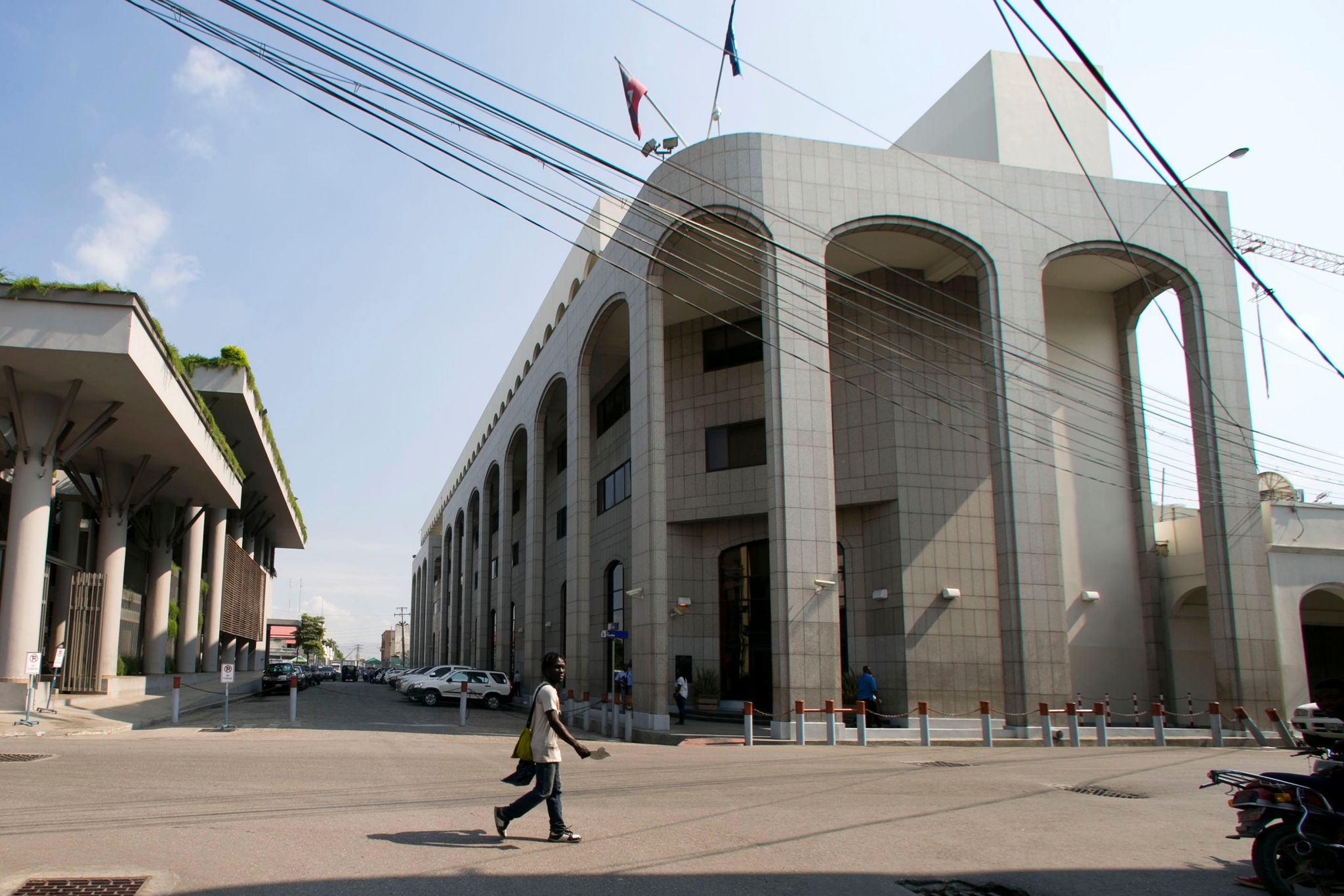
The new regulations mean that potential candidates will not need to provide a certificate from the Bank of the Republic of Haiti confirming that they are not subject to asset freezes. However, candidates must still submit other documentation, including information about any criminal records.
Despite this change, officials noted that Haitian politicians sanctioned by the U.S., Canada, and the European Union will now face fewer restrictions, allowing them to participate in the electoral process. Prominent figures, such as former President Michel Martelly and former Senate President Youri Latortue, who are sanctioned by these foreign governments, have not publicly indicated plans to run in the upcoming general elections, expected to be the first in more than a decade.
Critics express concerns over the recent rule changes, arguing that they diminish necessary safeguards and accountability for candidates. Michael Deibert, an author focused on Haiti, criticized the lack of effort to exclude candidates with credible accusations of wrongdoing. “We have seen from multiple iterations of these interim authorities in Haiti a desire of the political class to protect itself above everything,” Deibert stated.
A new report released to the U.N. Security Council this week highlights the connections between gangs and political figures in Haiti, warning of increasing violence as elections approach. Haiti’s electoral council has extended the candidate registration deadline to October 31, but it has not confirmed a specific date for the general elections, though they are still slated for December 13.
Former Prime Minister Evans Paul expressed alarm over the change in candidates’ requirements, asserting that the country is stuck in an endless cycle of transition. He criticized the alterations to electoral rules as tactics for partisan control, claiming, “The government’s legal instability is killing the process.”
As of now, more than 784,000 voters have registered in a country of over 12 million people. Candidate registration data shows that 13 individuals are aiming for the presidency, while 929 are vying for House seats, 755 are candidates for mayor, and 282 for Senate positions, although these numbers are preliminary and not final.
In the Artibonite region, which has seen significant gang violence this year, only 58,695 voters are registered, pointing to challenges that may affect participation in the upcoming elections.
