




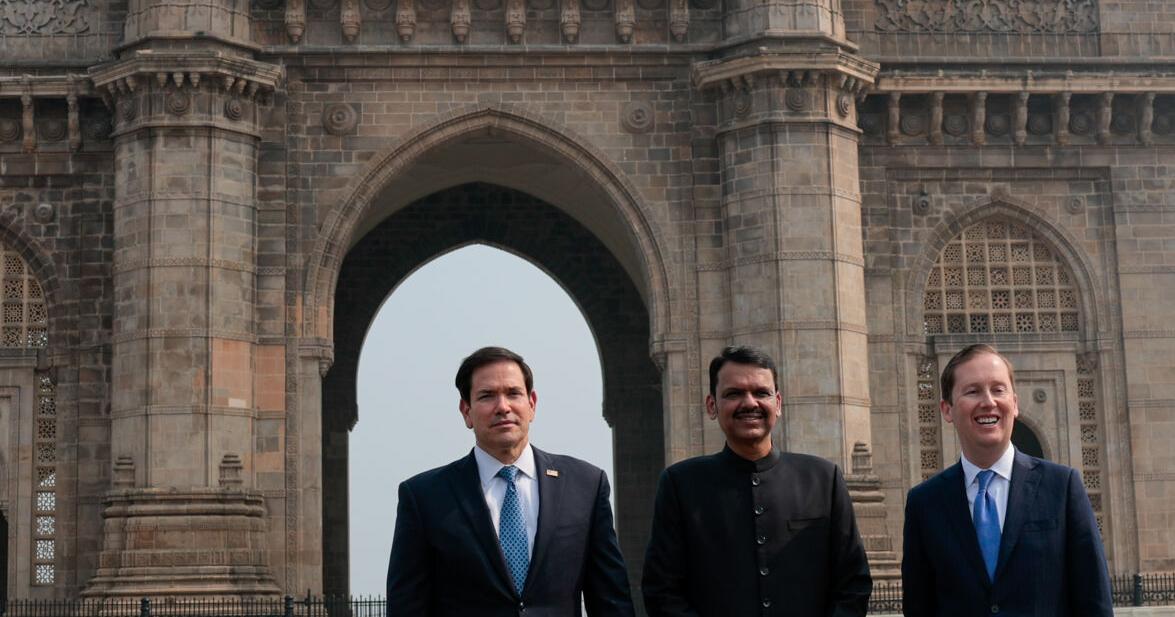
U.S. Senator Marco Rubio visited Central Asia this week, focusing on strengthening diplomatic ties and fostering economic collaboration. The trip included high-level meetings with leaders from Kazakhstan, Kyrgyzstan, Uzbekistan, and Tajikistan.
During his visit, Rubio emphasized the importance of U.S. engagement in the region to counterbalance influences from Russia and China. “Central Asia plays a crucial role in global security and economic stability,” Rubio stated. “Our partnerships here are vital for enhancing trade and strengthening democratic governance.”
Rubio’s meetings aimed to address a range of issues, including energy cooperation, counterterrorism efforts, and regional security. He highlighted the potential for increased investments and trade opportunities in the energy sector, particularly as Central Asia seeks to diversify its energy exports.
Local leaders expressed their appreciation for U.S. support in various sectors, including healthcare, education, and infrastructure development. “We need strong allies to help us navigate the complexities of the international landscape,” said the President of Tajikistan, Emomali Rahmon, during a joint press conference with Rubio.
The senator also participated in business roundtables that brought together U.S. and Central Asian companies aiming to explore further commercial partnerships. Rubio’s visit underscores the Biden administration’s strategy to enhance economic ties in Central Asia and support initiatives aimed at promoting stability and democratic reforms.
While in Uzbekistan, Rubio visited cultural sites that highlight the region’s historical significance as part of the Silk Road. He noted the rich heritage of Central Asia as a bridge between East and West, and its potential in nurturing trade relationships.
Looking ahead, Rubio plans to report back to Congress on the outcomes of his discussions and propose further initiatives to enhance U.S. investment and engagement in Central Asia. The senator’s trip is expected to have lasting implications as the U.S. seeks to solidify its presence in this strategic part of the world.
