




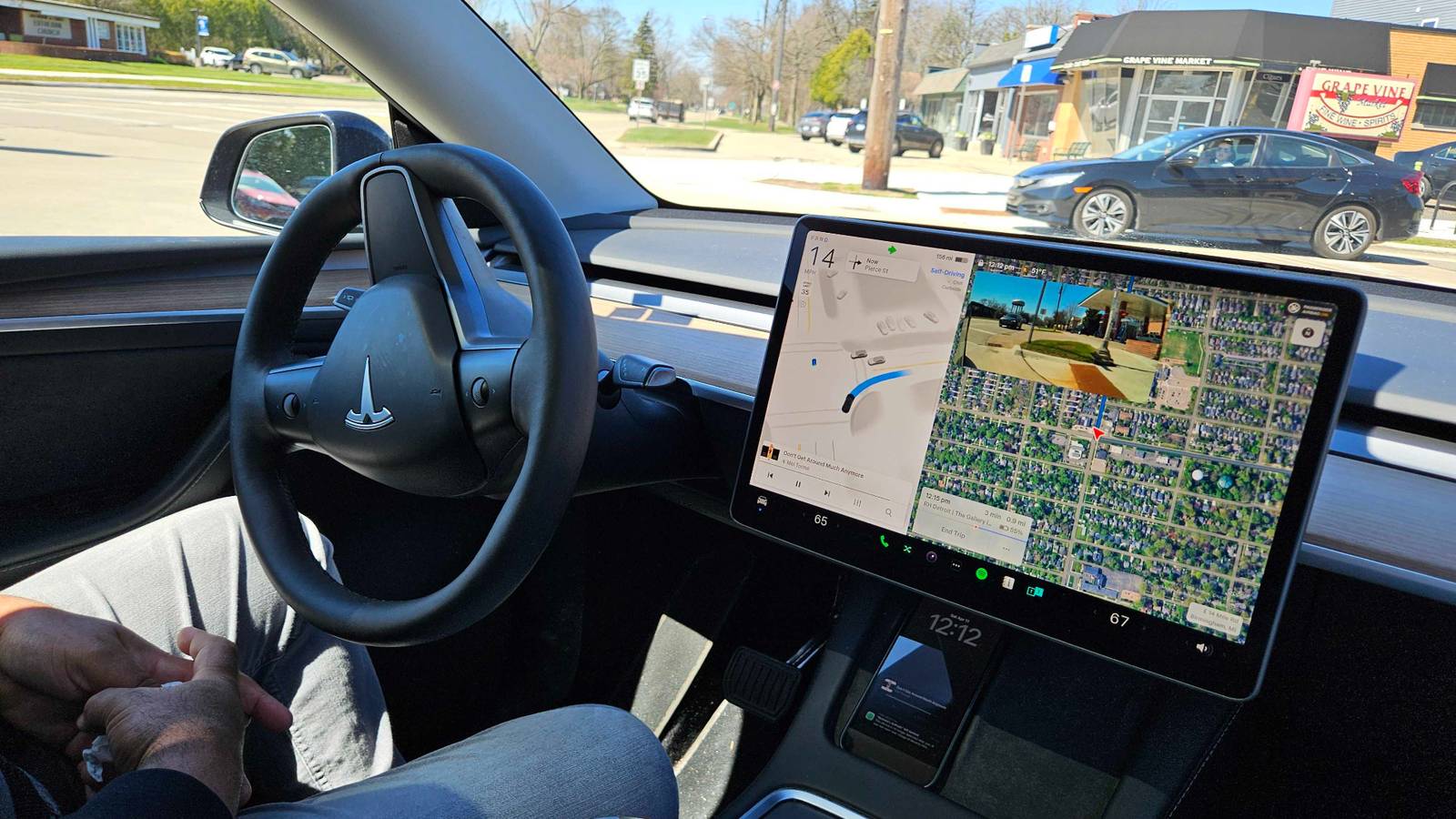
Tesla has renamed its driver-assistance system from “Full Self-Driving” (FSD) to “Tesla Assisted Driving” on its European websites as the company seeks approval from regulators across the European Union (EU). This change comes in response to concerns that the original name could mislead users into thinking the system offers fully autonomous driving capabilities.
European regulators have voiced apprehensions regarding the FSD label, emphasizing that it suggests a level of automation higher than what the technology currently provides. Tesla’s decision may reflect its intention to address these concerns proactively. The company has been aware of the potential issues related to the FSD name for years but has only taken action now.
In the U.S., however, the name “Full Self-Driving (Supervised)” remains unchanged. Despite the renaming in Europe, Tesla has not appeared concerned about regulatory scrutiny in the U.S. The term “supervised” in brackets, intended to clarify the system’s limitations, has not fully satisfied EU regulatory bodies.
Internal documents from the Italian government, reported by Reuters, indicate that officials believe the FSD label, combined with Tesla’s marketing, might lead consumers to believe the vehicles possess unsupervised driving capabilities akin to SAE Level 3 automation. While some European countries have permitted the use of the FSD system, the regulatory landscape is evolving, with considerations still underway in nations like France.
The approval process for the driver-assistance system has faced delays, moving from an expected vote in October to at least December. In the meantime, Tesla is reportedly encouraging its customers and fans to lobby for expedited approvals from national regulators. This approach appears to have initiated in Germany, where Transport Minister Steffen Bilger has indicated a willingness to push for system approval after engaging with Tesla on technical and liability issues.
In an effort to bolster its case, Tesla has reportedly sought to influence regulators by reducing safety review requirements and publishing research that claims significant reductions in crash rates, although some traffic-safety researchers have criticized the validity of this research.
As Tesla navigates this regulatory landscape, the successful integration of its driver-assistance system throughout Europe is critical for the company’s future plans, including the potential launch of a robotaxi service. Gaining European market share remains essential as the company faces increasing competition from electric vehicle manufacturers, especially those from China. The change to a less misleading name may support Tesla’s goals in this regard.
